
The Problem With Disposable Promotional Products
Promotional merchandise has always been designed to keep brands visible, but visibility alone is no longer enough. Businesses are becoming more conscious of how branded products are perceived, how long they remain in use, and whether they deliver any meaningful value beyond a short-term interaction. At the same time, recipients are becoming increasingly selective about what they keep.
The result is a growing disconnect between the amount companies spend on promotional products and the actual long-term impact those items create. Cheap giveaways may still generate quick exposure at events or conferences, but many are discarded almost immediately after being received. That creates not only wasted marketing spend, but also unnecessary environmental waste and weaker brand perception.
Cheap Merchandise Often Creates Cheap Brand Perception
Promotional products are rarely viewed in isolation. The quality of a branded item often influences how people perceive the company behind it. When merchandise feels poorly made, impractical, or disposable, it can unintentionally communicate the same qualities about the brand itself.
This is particularly important in B2B environments where companies are trying to build trust, professionalism, and long-term relationships. A low-cost giveaway handed out at an event may generate temporary exposure, but if the product breaks quickly or never gets used, the interaction loses value almost immediately.

Most Disposable Products Have Extremely Short Lifespans
One of the biggest issues with traditional promotional merchandise is how quickly it disappears from use. Many low-cost giveaways generate only a brief moment of interaction before being left behind at events, stored away unused, or thrown out entirely.
From a branding perspective, that creates a very limited return on investment. The purpose of promotional merchandise is to extend visibility over time, but products with short lifespans rarely achieve that goal. If an item is discarded within days, the opportunity for ongoing brand exposure disappears with it.

Sustainability Expectations Are Changing Purchasing Decisions
Sustainability is no longer a niche consideration within promotional merchandise. Many businesses are now under pressure to make purchasing decisions that align with broader environmental and social responsibility goals. This includes evaluating not only how products are made, but also whether they are likely to become waste shortly after distribution.
Disposable promotional products increasingly clash with those expectations. Low-quality items designed for temporary use contribute to unnecessary waste while offering limited practical benefit to recipients. As businesses become more conscious of their environmental footprint, this style of merchandise is beginning to feel increasingly outdated.
Final Thoughts
Disposable promotional products may still generate short-term visibility, but they often fail to create lasting engagement, meaningful brand recall, or positive long-term perception. As expectations around sustainability, quality, and usefulness continue evolving, businesses are moving away from low-value giveaways and toward merchandise people genuinely want to keep.
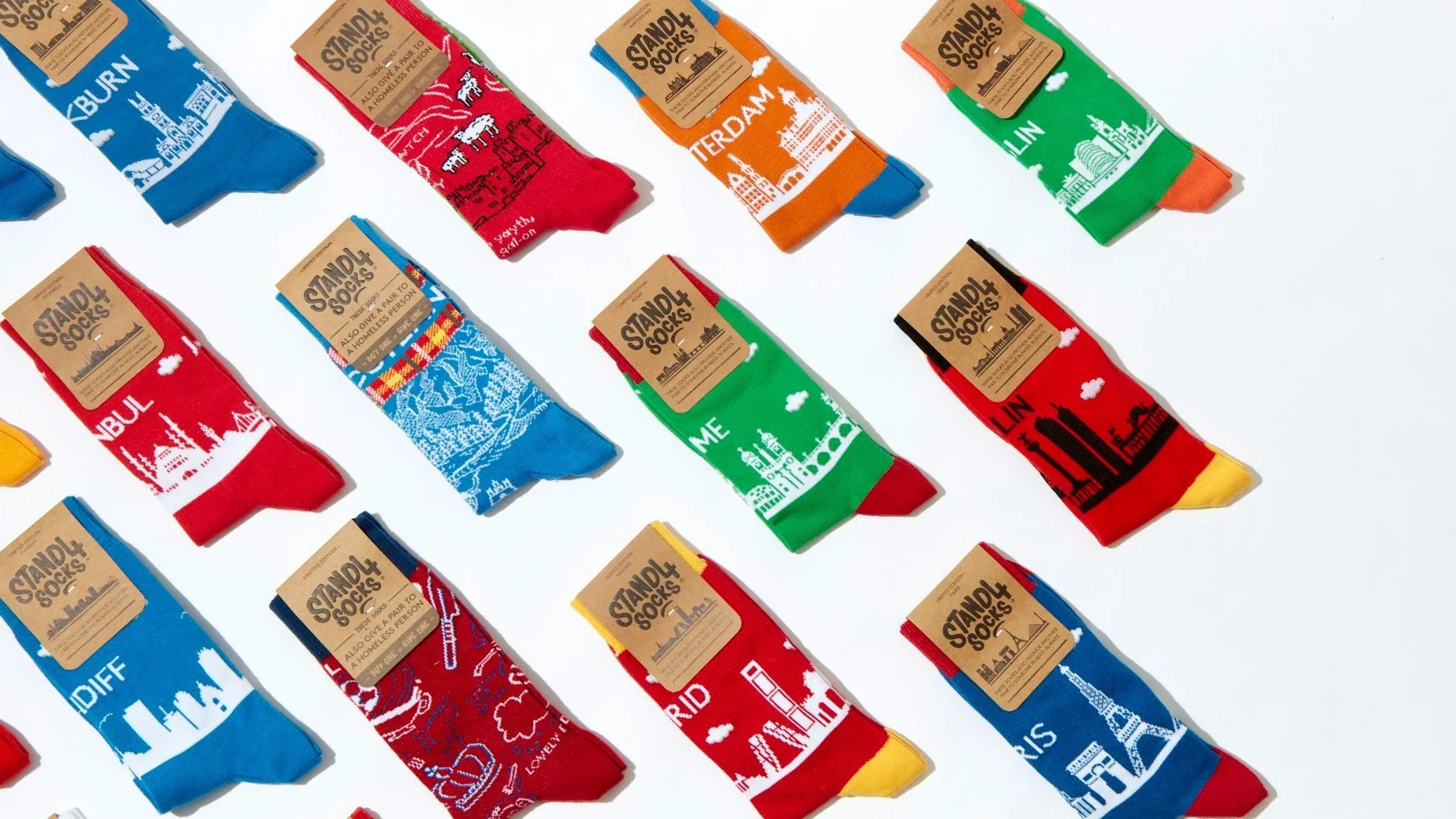
Custom branded socks offer a more modern alternative because they combine practicality, wearability, and long-term visibility in a way that feels natural and useful. Rather than becoming clutter, they become part of everyday routines — helping brands remain visible long after events, campaigns, or gifting moments have passed.
