
Why Personalization is the New Standard for Retention
In the current talent market, the "gold watch" era of employment is officially dead. Professionals are no longer looking for just a paycheck; they are looking for alignment.
When a company treats its workforce as a monolith, it inadvertently signals that individuals are replaceable. This is the primary driver behind the "Quiet Quitting" and "Great Reshuffle" trends we've seen over the last few years. To combat this, the most successful organizations are shifting toward a Personalized Retention Strategy.
The Death of "One-Size-Fits-All" Culture
For decades, corporate culture was built on the idea of the "Average Employee." Benefits, recognition, and communication were all designed for a middle-of-the-road demographic.
However, in a hybrid and diverse world, "average" doesn't exist.
The Gen Z Developer might value a culture of radical transparency and social impact.
The Mid-Career Manager might value flexibility and specialized professional development.
The Senior Executive might value legacy-building and mentorship opportunities.
When you personalize the employee experience, you move from being a "utility" (a place that provides a salary) to a "partner" (a place that provides a career identity).

Recognition Beyond the Surface
True personalization in retention means recognizing the way a person works, not just the results they produce. Generic recognition programs often fall flat because they lack the specificity required to make a high-performer feel truly understood.
For instance, acknowledging the specific creative friction a designer overcame or the meticulous logic a developer used to solve a bottleneck is far more impactful than a "good job" email. By pivoting toward this level of nuanced feedback, a manager moves from being a supervisor to a professional partner.
This depth of engagement builds a "stickiness" within the team that a simple salary bump from a competitor cannot easily replicate, as it fulfills the human need for genuine validation.
The Business Case for Belonging
Beyond the "soft" benefits of a happy office, the ROI of personalization is found in the brutal reality of replacement costs. Industry data suggests that replacing a mid-level professional can cost upwards of 150% of their annual salary once you factor in recruitment fees, months of onboarding, and the inevitable dip in team productivity.
Personalization serves as a high-yield insurance policy against this churn. It increases the "emotional cost of leaving"—when an employee feels their values, work style, and personal growth are intrinsically understood by their organization, the barrier to exit becomes much higher.
Investing in a culture of belonging is not just a human resources initiative; it is a fundamental strategy for protecting a company’s most valuable intellectual and financial assets.

Final Thoughts
Building a culture that actually sticks requires moving away from generic, "off-the-shelf" perks and moving toward intentional, high-quality touchpoints that reflect your company’s unique mission.
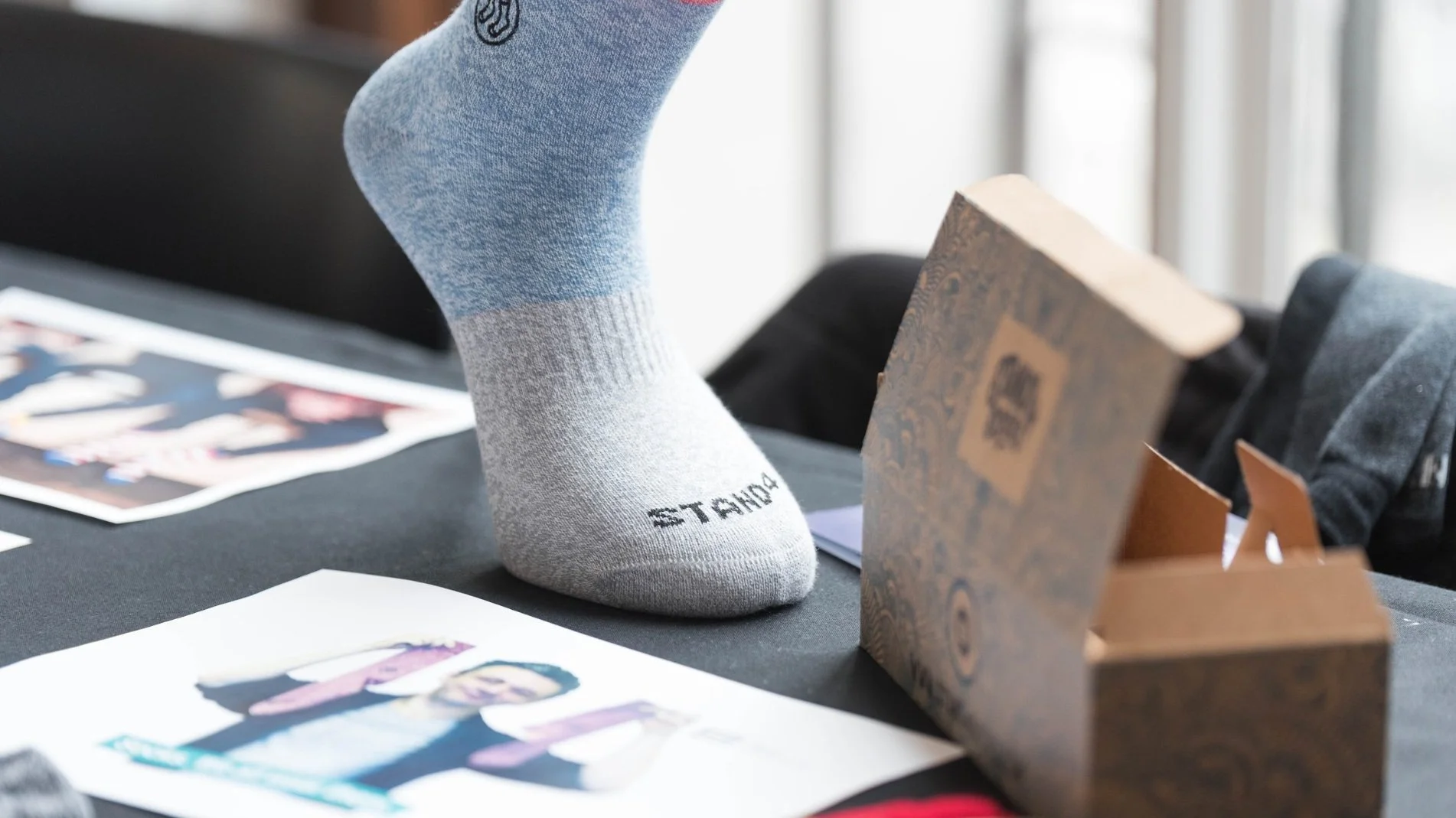
At Stand4 Socks, we specialize in helping B2B leaders bridge the gap between corporate goals and human connection by providing professional, mission-driven tools designed to make team recognition feel both personal and premium.
