
The Hidden Cost Of Cheap Merchandise
When businesses order branded merchandise, the conversation often starts with price. Procurement teams look for ways to stretch budgets, event organisers compare unit costs, and marketing teams try to maximise the number of items they can distribute. On paper, choosing the cheapest option can seem like a sensible decision. After all, if two products carry the same logo, why spend more?
The problem is that the true cost of merchandise is rarely reflected in the invoice. Cheap merchandise may save money upfront, but it can create hidden costs that affect brand perception, customer engagement, sustainability goals, and ultimately the return on investment of the campaign itself.
Cheap Merchandise Often Creates A Cheap Impression
Every branded product acts as a reflection of the business behind it. Whether it is given to an employee, a client, or an event attendee, the quality of the item inevitably influences how the recipient perceives the organisation. When merchandise feels flimsy, poorly made, or unlikely to last, it can send an unintended message about the brand itself.
Even if the product only costs a few pounds, the impression it creates can be far more expensive. Businesses spend significant resources building trust, credibility, and reputation, yet a low-quality promotional item can undermine those efforts in seconds. The reality is that people often judge brands by the experiences they create, and merchandise is part of that experience.
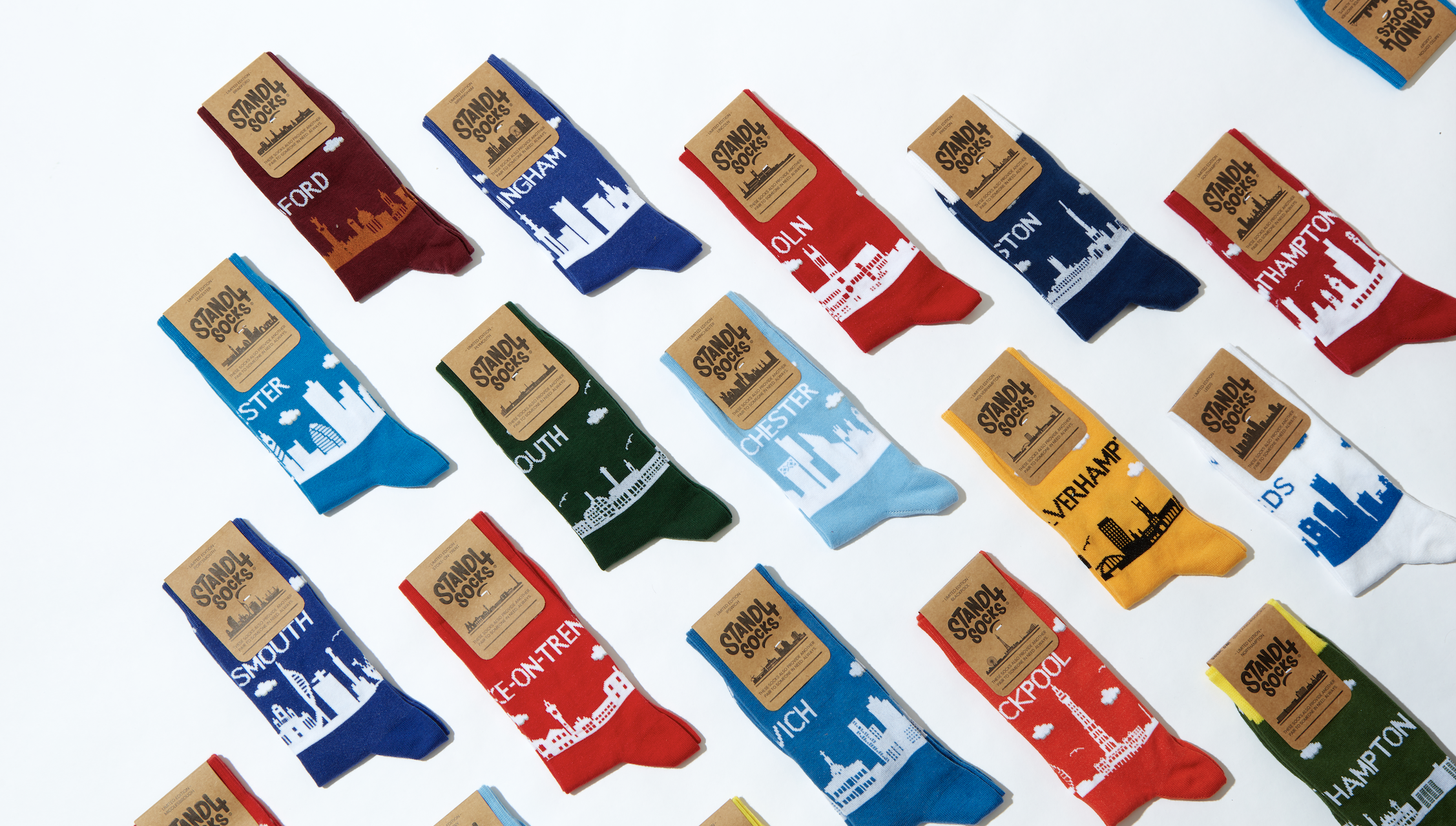
The Lowest Price Rarely Delivers The Best Value
A common mistake in merchandise purchasing is focusing entirely on cost per unit rather than overall value. While a cheaper product may allow a business to order more items, quantity alone does not guarantee results. If recipients throw those items away within days, the campaign has generated little meaningful impact regardless of how many products were distributed. By contrast, a slightly higher-quality item that remains in use for months or years can continue creating brand exposure long after the initial interaction.
Value should be measured by longevity, usefulness, and engagement rather than the lowest possible purchase price. In many cases, spending slightly more upfront results in a significantly stronger return on investment over time.

Waste Is More Expensive Than Most Businesses Realise
One of the hidden consequences of cheap merchandise is waste. Products that serve little practical purpose or fail to meet quality expectations often end up discarded shortly after they are received. This not only reduces the effectiveness of the campaign but can also conflict with an organisation’s sustainability commitments. As businesses place greater emphasis on environmental responsibility, disposable promotional products are coming under increasing scrutiny.
Recipients are becoming more conscious of what they keep and what they throw away, making it more important than ever to choose merchandise that delivers genuine value. Every item that ends up in the bin represents wasted budget, wasted resources, and a missed opportunity to create a lasting impression.

Final Thoughts
The true cost of cheap merchandise extends far beyond the purchase price. Poor quality, low retention, increased waste, and missed opportunities for engagement can all reduce the effectiveness of a campaign. Businesses that focus solely on upfront cost often overlook the long-term value that quality merchandise can deliver.
By choosing products that are useful, durable, and genuinely appreciated, organisations can create stronger brand experiences and achieve better results from every pound spent.
Cheap merchandise saves money today. Great merchandise keeps delivering value tomorrow.
