
Why "Retail-Grade" is the Only Standard for B2B Gifting
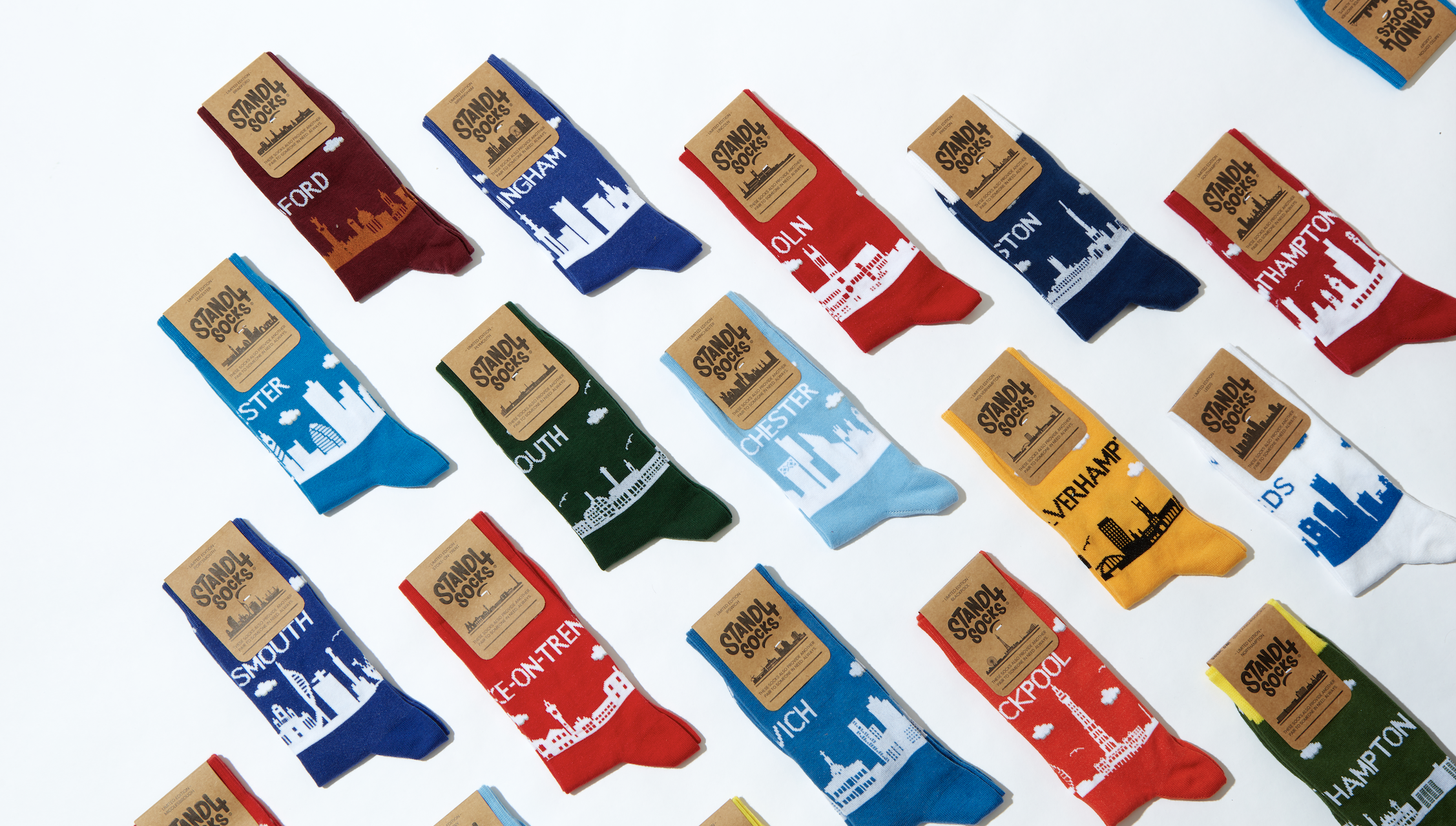
In a professional setting, the gifts you distribute act as a silent proxy for your brand’s standards. When a company provides "swag"—typically defined by thin fabrics, oversized logos, and poor durability—it inadvertently signals a "quantity over quality" mindset. Conversely, when a gift mirrors a high-end retail experience, it bridges the psychological gap between a corporate handout and a personal reward.
By moving toward a "Retail Facade," you ensure that your appreciation feels authentic rather than obligatory. For a modern B2B brand, the goal is to provide items that your team or clients would proudly wear on a weekend, not just in the office. This transition from "promotional" to "personal" is what defines a truly premium internal culture.
Economics of Brand Impressions
From a marketing perspective, the lifespan of a gift is its most critical metric. A low-quality item that is discarded after one use has a near-zero ROI. However, a heritage-quality product that integrates into a recipient’s weekly routine becomes a long-term advertising asset.
Every time an employee wears a retail-grade item in public, they are providing a subtle, human-led endorsement of your brand. This "slow-burn" marketing strategy relies entirely on the quality of the product; if it isn't comfortable or stylish, it won't be worn, and the potential for brand visibility is lost. Investing in premium merchandise isn't an added expense—it is a strategic move to ensure your marketing budget produces repeatable impressions for years, not days.
Automating CSR Through Every Transaction
One of the greatest challenges for busy B2B leaders is finding the time to execute meaningful social responsibility initiatives. Often, CSR becomes a "some-day" project that is pushed aside by immediate operational needs. By utilizing a "buy-one-give-one" model for your team gifting, you effectively automate your social impact. As a B Corp, we’ve structured our process so that the "good" happens at the point of purchase.
For every pair of socks you secure for your onboarding or gifting program, another pair is donated to someone experiencing homelessness. This provides a turnkey solution for managers who want to lead with purpose without needing to coordinate with external charities or manage complex donation logistics.
The Logic of "Low-Lift" Recognition
Sophistication in business is often found in simplicity. A "low-lift" recognition strategy doesn't imply a lack of effort; it implies a mastery of efficiency. By choosing a pre-built, mission-led gifting solution, you eliminate the friction that usually accompanies corporate procurement. There is no need for endless design iterations or troubleshooting with multiple vendors when you utilize a "plug-and-play" retail model.
This efficiency allows you to maintain a high-frequency culture of appreciation, ensuring your team feels valued consistently throughout the year rather than just during the holidays. It’s about having a premium solution ready at a moment’s notice, allowing you to focus on growth while the culture takes care of itself.
Final Thoughts
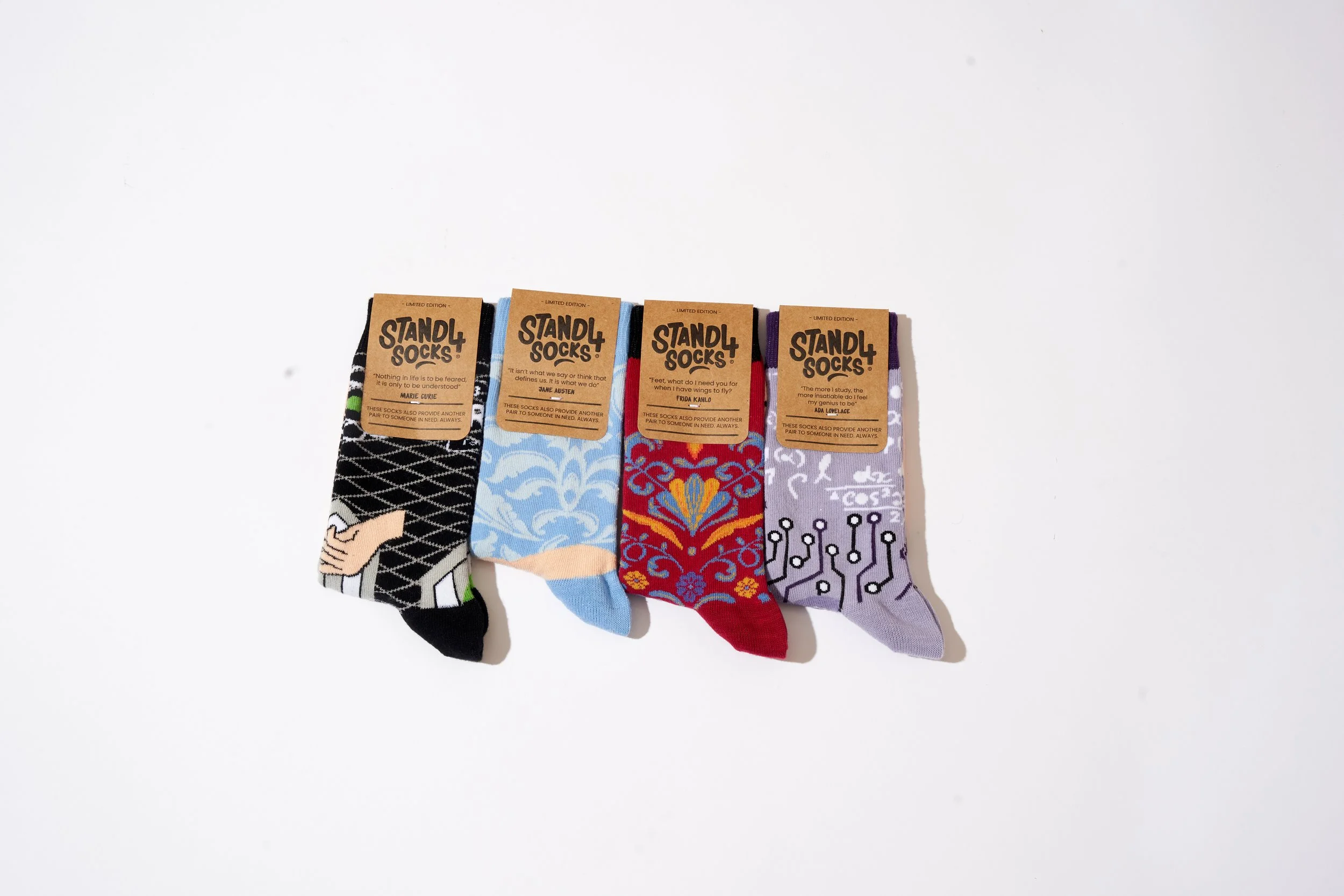
When you provide gifts that mirror a high-end retail experience, you reinforce the message that your organization values excellence at every level. Moving toward a "Retail Facade" ensures that your appreciation feels authentic and aligns perfectly with the prestige of your brand. If you’re looking to move beyond generic, logo-heavy items and offer something your team will truly value, let’s discuss how we can curate a collection that reflects your company’s DNA.
