
The Role of Subtle Branding in Long-Term Visibility
It’s easy to assume that more visibility leads to better results, but in branded merchandise, the opposite is often true. When branding is too prominent or overly aggressive, it can actually reduce how often a product is used. People are selective about what they wear and carry, and items that feel overly promotional tend to be reserved for limited contexts, or avoided altogether.
This creates a situation where the product exists, but its impact is minimal because it isn’t part of everyday life. Over time, this limits the return on investment, as the product fails to deliver consistent exposure.
Designing for Real-World Use
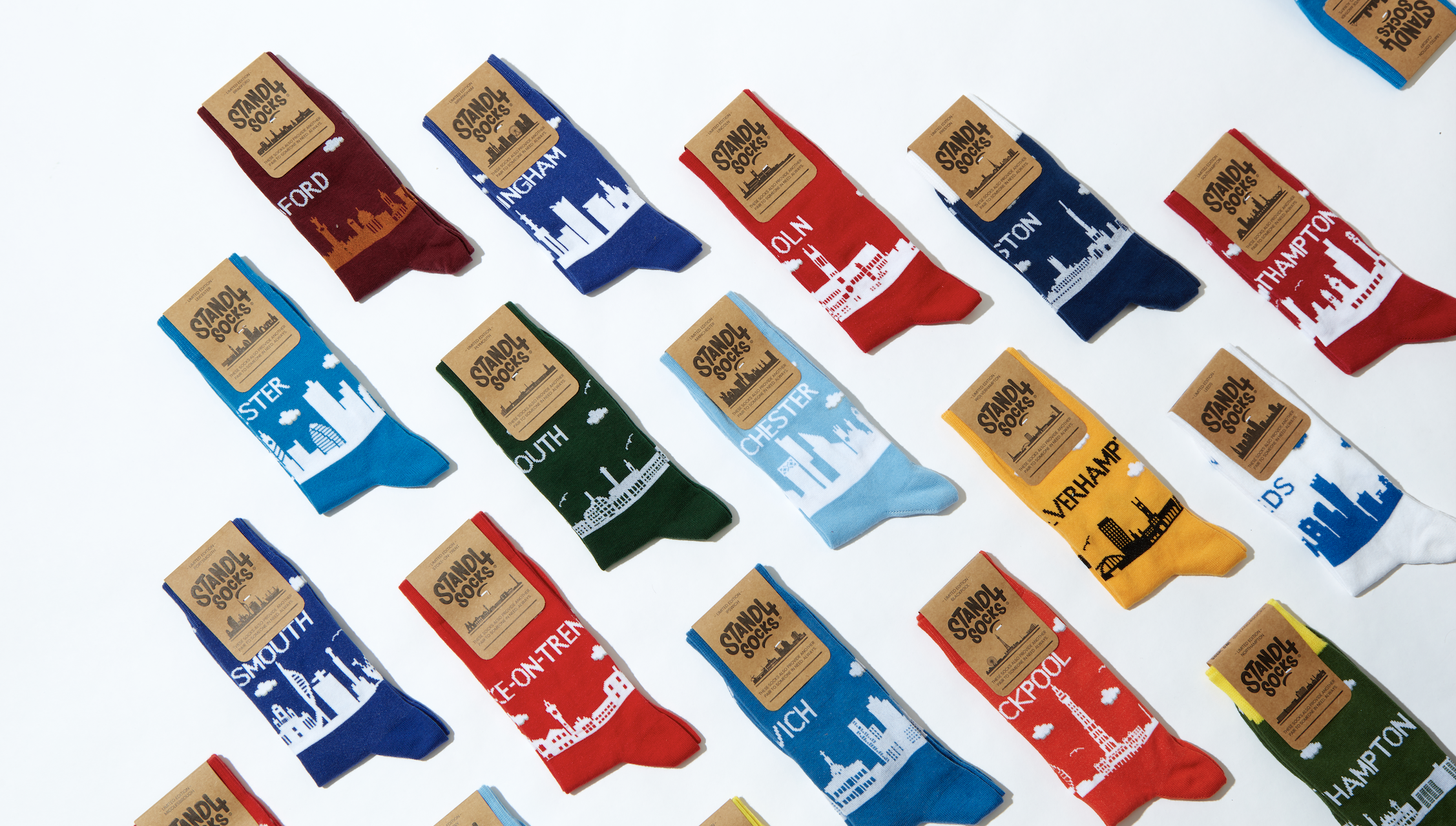
The most effective approach is to design products that people genuinely want to use, with branding that supports rather than dominates the experience. This means prioritising aesthetics, comfort, and functionality first, and allowing branding to sit naturally within that framework.
When done well, the product feels like something someone would choose for themselves, rather than something they were given. This subtle shift in perception significantly increases the likelihood of regular use, which is where the real value lies.
Building Familiarity Through Repetition
Brand visibility is most powerful when it’s built gradually over time. A product that is used regularly creates multiple, low-friction touchpoints that reinforce the brand in a natural way. This repeated exposure feels less like marketing and more like familiarity, which is far more effective in shaping perception.
Instead of relying on a single moment of attention, the brand becomes part of an ongoing experience, strengthening recognition and recall without needing to demand it.
Balancing Identity and Usability
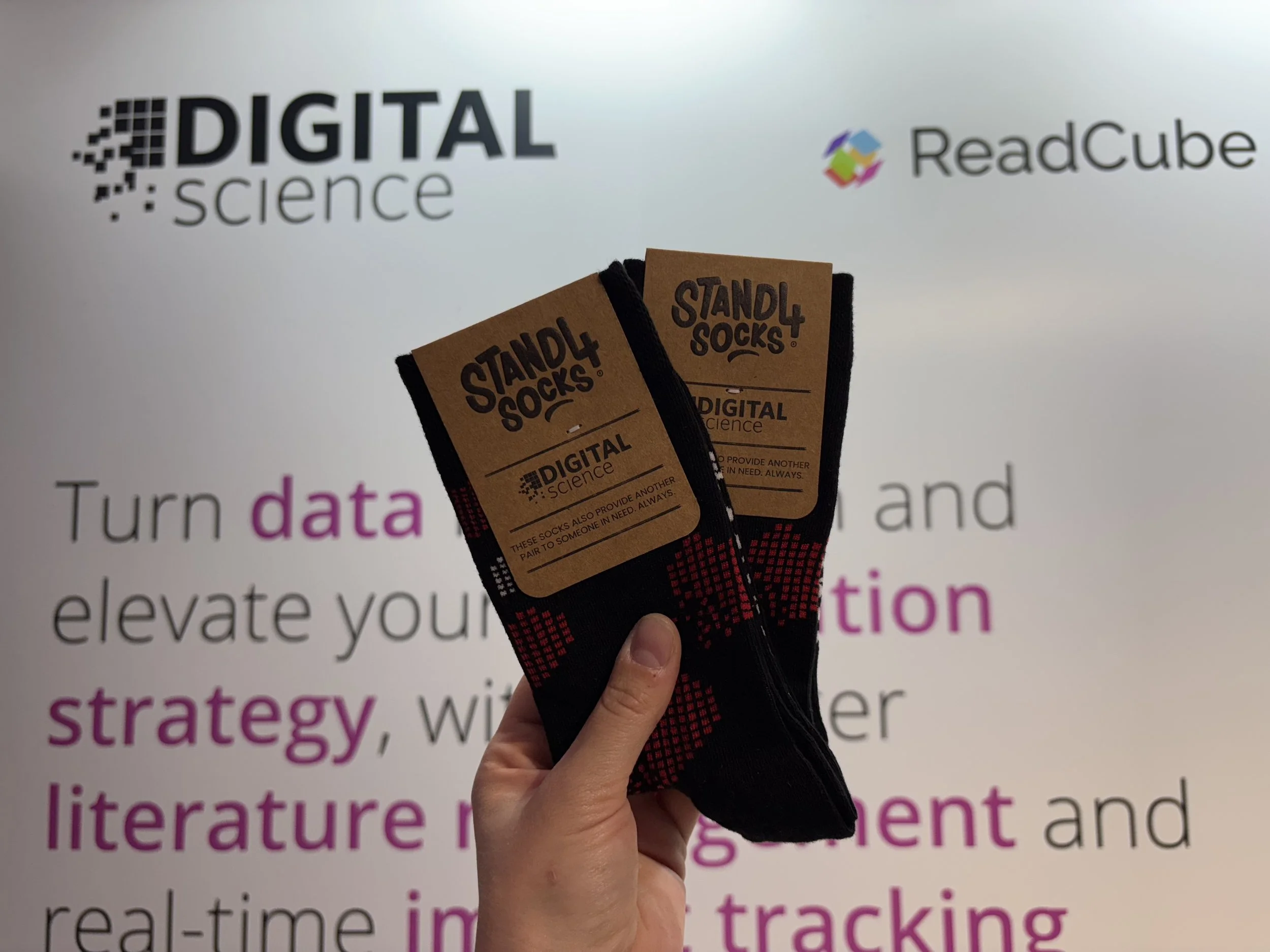
Finding the right balance between visibility and usability is key. Too much emphasis on branding can limit how often a product is used, while too little can reduce recognition.
The goal is to create something that people reach for first because of its quality and usefulness, with branding that enhances rather than detracts from that experience. When this balance is achieved, the product works harder over a longer period of time.
Final Thoughts
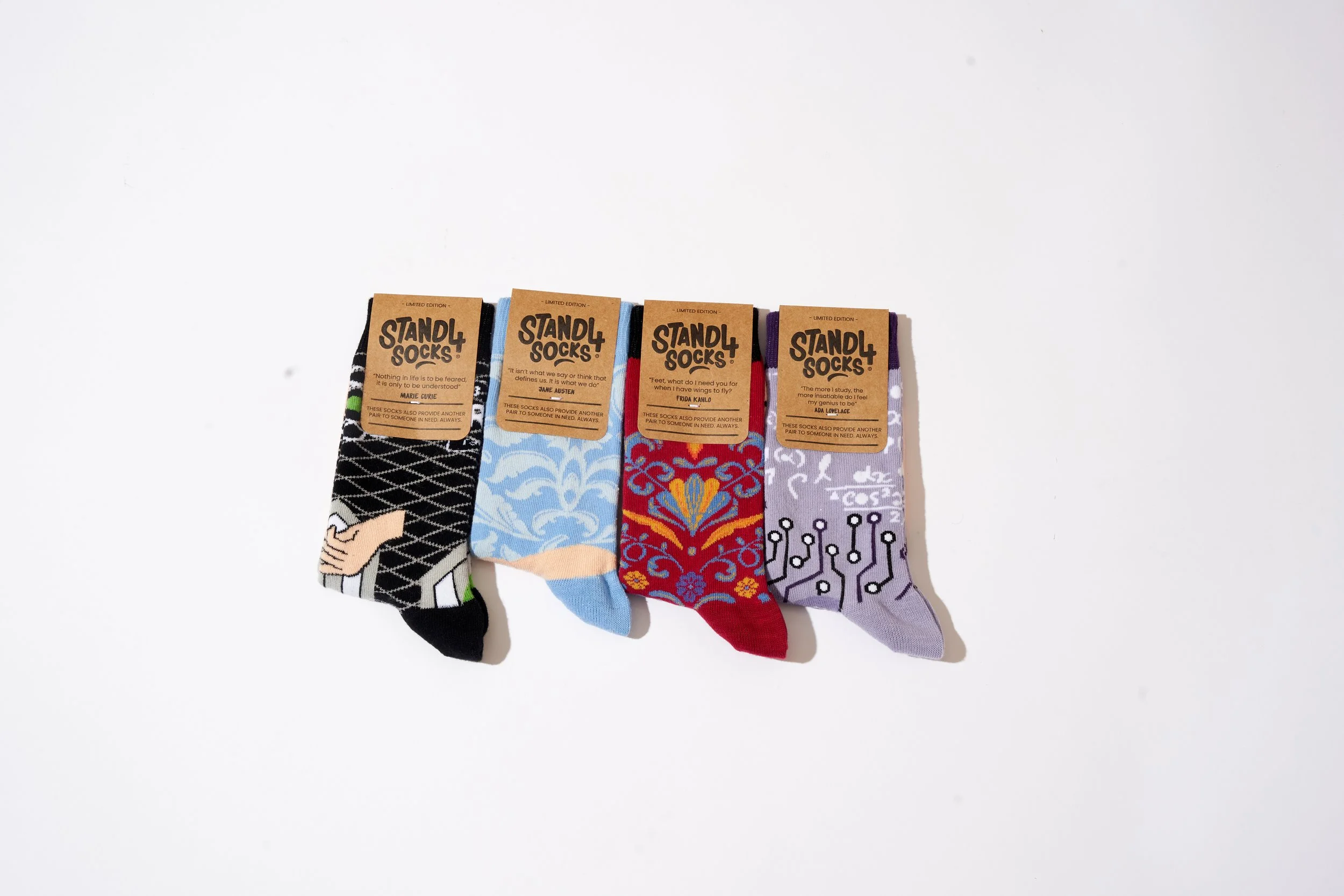
The most effective branded products are the ones that stay in use. By focusing on subtlety and real-world usability, businesses can create long-term visibility that feels natural, consistent, and far more impactful than one-off exposure.
