
How to Make Your Brand Memorable After an Event Ends
The real success of an event doesn’t happen during the event itself. It happens in the days, weeks, and months after everyone has gone home. Booths get packed away, conversations fade, and attendees return to inboxes full of follow-ups. In that moment, most brands disappear completely from memory — not because they weren’t present, but because they didn’t leave anything behind that mattered. The question then becomes simple but critical: how do you stay memorable after the event is over?
For many businesses, events are still treated as short-term visibility exercises. You show up, you hand out branded items, you collect leads, and then move on. But in an environment where every competitor is doing the same thing, attention alone isn’t enough anymore. What actually matters is recall — whether someone remembers you once they’re no longer in the same room as your brand. That is where most event strategies quietly fail.
Attention Fades Quickly In Busy Environments
Most event marketing still relies heavily on momentary attention. A busy stand, a well-designed display, or a clever pitch might win interest in the moment, but attention fades quickly once attendees move on to the next session or the next booth. What lasts longer is usefulness — something that continues to exist in someone’s life after the event ends.
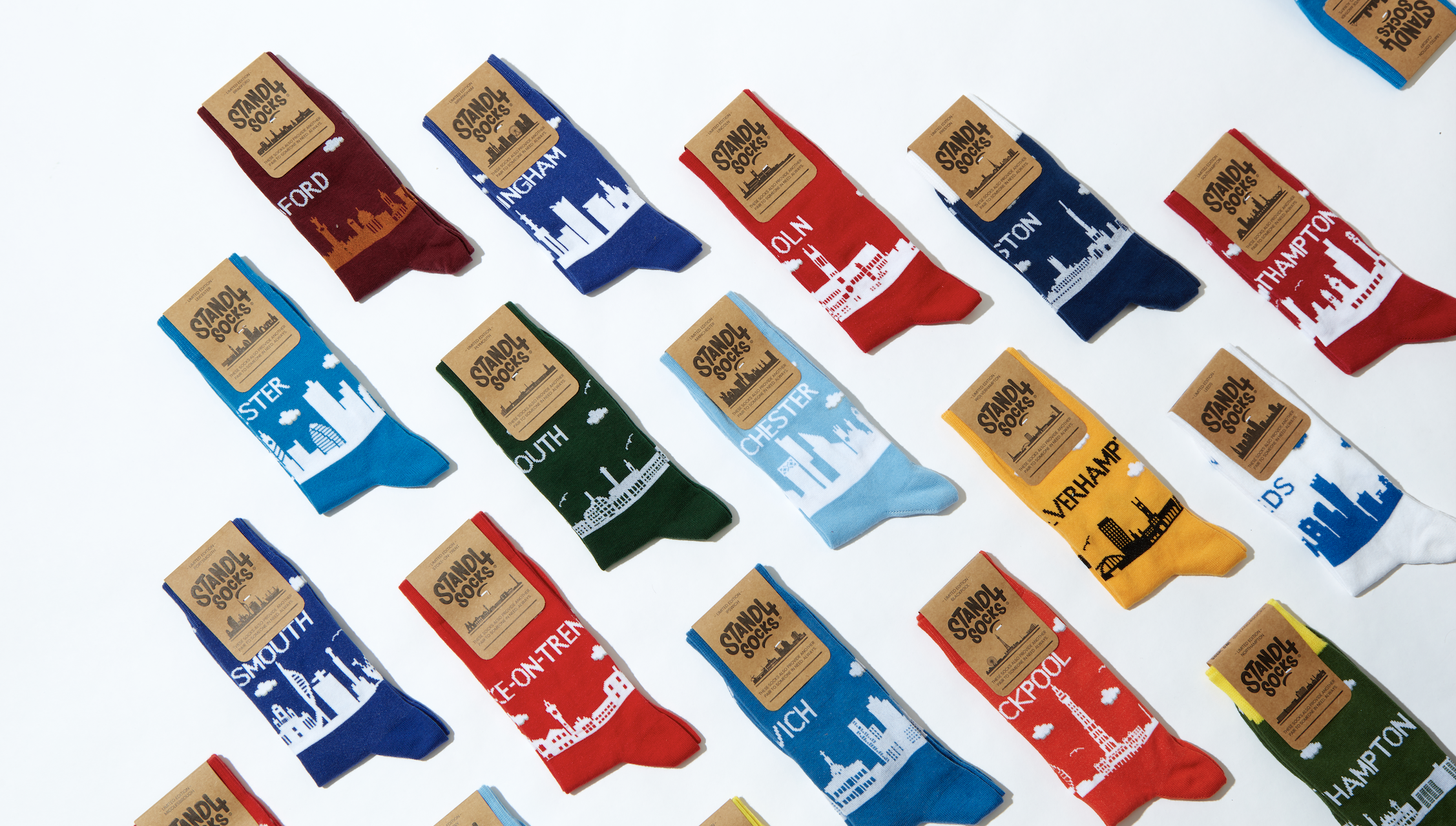
This is where physical items still have a role, but only when they are designed with intention. The difference between something that gets thrown away and something that gets kept often comes down to whether it has any real use beyond the event itself. If an item is functional, wearable, or genuinely helpful, it stops being “merchandise” and becomes part of someone’s routine — and that’s where memory is created.
After The Stand Comes Silence
There is usually a strong focus on the event itself — the stand design, the conversations, the follow-up emails ready to send the moment someone leaves the room. But very few brands think about what happens after that. Once attendees return to their normal environment, your brand is competing with everything else in their day-to-day life again.
If nothing tangible remains, there is very little to trigger recall. A logo on a leaflet or a digital follow-up email is easy to ignore or forget. But something physical, useful, and repeatedly seen over time keeps your brand quietly present long after the event ends. That ongoing presence is what turns a short interaction into lasting awareness.
Familiarity Is Built Through Repetition
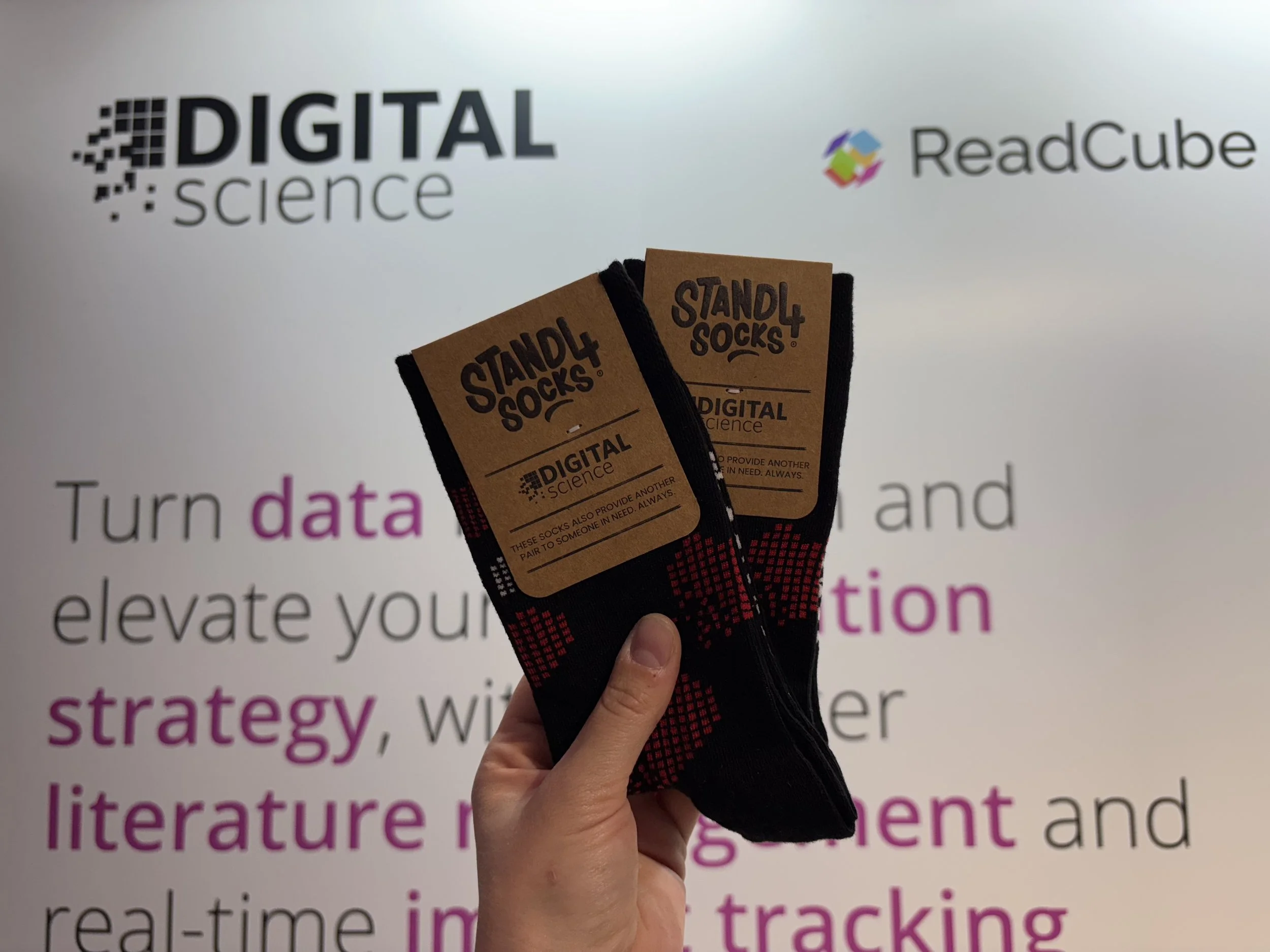
Being seen once is rarely enough to be remembered. What creates memorability is repetition — repeated exposure in real contexts, not just during a single event window. That’s why the most effective post-event brand strategies are not about impact in the moment, but about continued visibility afterwards.
When something is used repeatedly in everyday life, it naturally reinforces memory without needing to force it. It becomes part of someone’s routine, which means your brand moves from being “something they saw at an event” to “something they actually use.”
That shift is subtle but powerful, because it changes the relationship from passive awareness to active familiarity.
Final Thoughts
At events, it’s easy to measure leads, scans, conversations, and footfall. But the metric that actually determines long-term success is much simpler: do people remember you once the event is over?
If they don’t, the opportunity ends there. If they do, every follow-up becomes easier, every conversation becomes warmer, and every interaction becomes more meaningful.
The goal isn’t just to show up at events.
It’s to still be remembered after everyone else has been forgotten.
