
The Psychology Behind Wearable Brand Recall
Most branded merchandise disappears into drawers, cupboards, or office desks within days of being handed out. Water bottles get duplicated, notebooks go unfinished, and cheap giveaways rarely leave a lasting impression. The challenge for brands is not simply getting their logo in front of people — it’s creating something that becomes part of someone’s routine.
That’s where wearable merchandise has a different kind of value. Items people actively use and wear naturally create repeated exposure, stronger emotional association, and longer-term brand familiarity. Custom socks, in particular, sit in an interesting space between practicality and personality. They are useful enough to keep, but creative enough to feel memorable.
Repetition Creates Familiarity
One of the strongest psychological drivers behind brand recall is repeated exposure. The more frequently someone encounters a brand in a positive or neutral setting, the more familiar and trustworthy it tends to feel over time. Marketing teams have relied on this principle for decades across advertising, sponsorships, and packaging, but wearable merchandise introduces that repetition in a far more organic way.
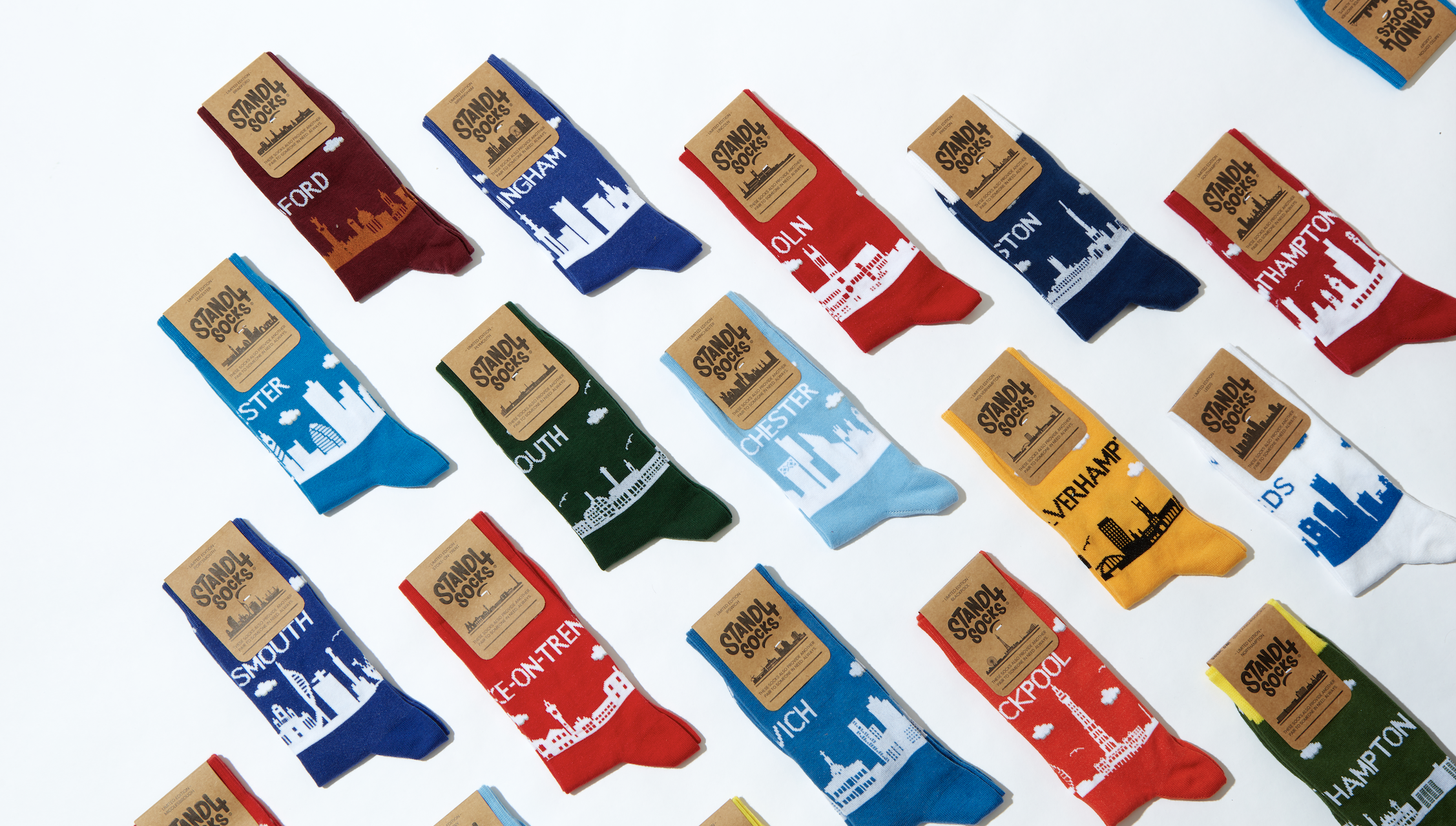
Unlike traditional promotional items that stay confined to a desk or conference tote bag, wearable products become integrated into everyday routines. A pair of branded socks worn during work, travel, or casual weekends creates repeated interaction with the brand without demanding direct attention from the wearer. Even subtle branding can reinforce recognition over time because the product remains consistently present.
Emotional Connection Matters More Than Visibility Alone
Brand recall is not purely about how often people see a logo. Emotional association plays a major role in whether a brand becomes memorable in the first place. People tend to remember experiences attached to comfort, surprise, humour, generosity, or usefulness far more than generic branded interactions.
Wearable merchandise can tap into that emotional side surprisingly well. Receiving a thoughtfully designed pair of socks as part of a welcome pack, conference gift, fundraising campaign, or client delivery often feels more personal than receiving another standard promotional item. The product itself becomes associated with the experience surrounding it.
Useful Products Stay in Circulation Longer
Longevity plays a huge role in effective brand recall. The longer a product remains in use, the longer it continues generating exposure and recognition. Disposable merchandise often fails because its lifecycle is incredibly short. Once the novelty wears off, the branding disappears with it.
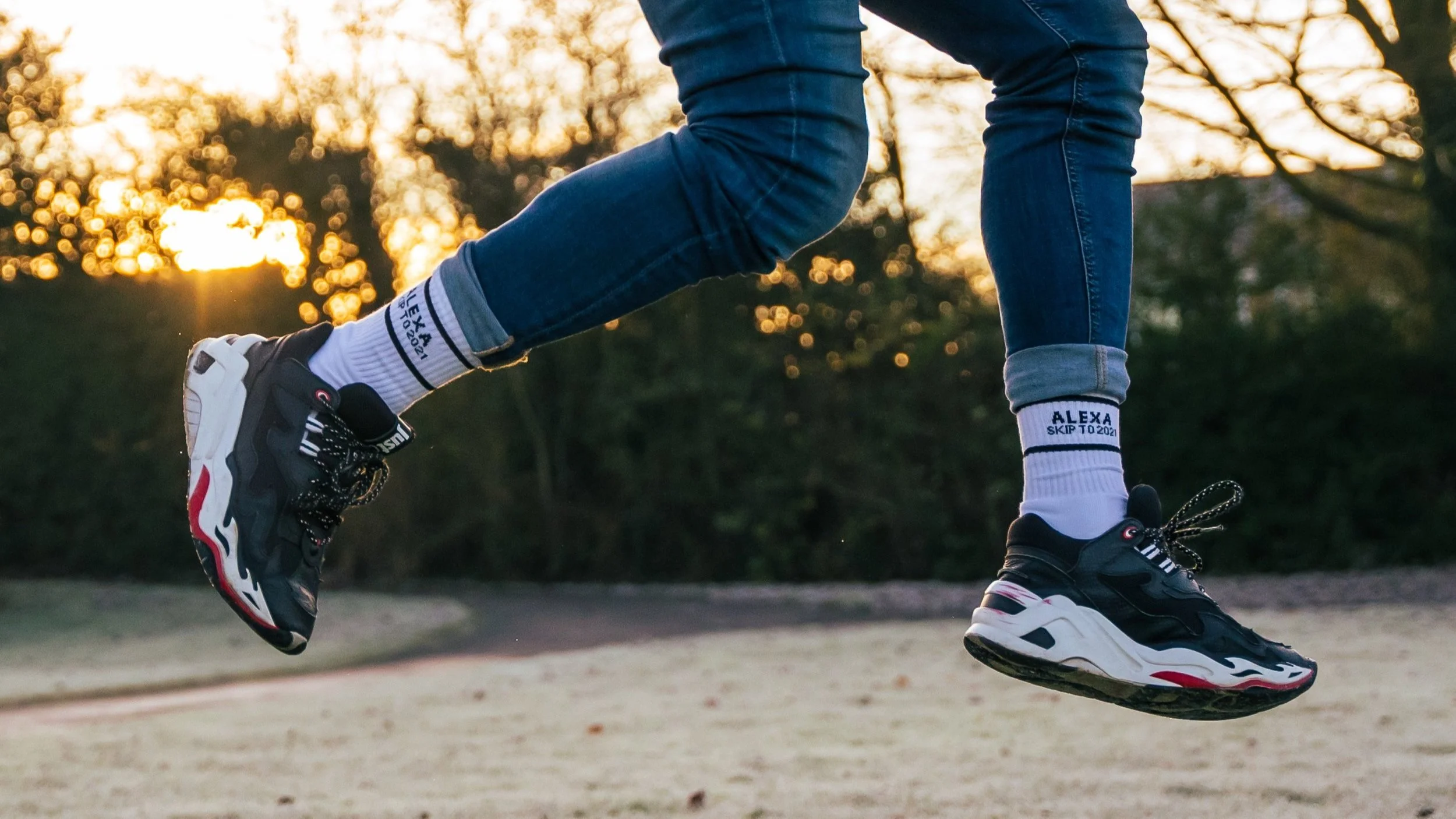
Wearable products tend to remain in circulation for significantly longer because they serve an ongoing practical purpose. Socks are an especially strong example because they are universally useful, easy to distribute, and regularly reused. A quality pair does not sit untouched on a shelf — it becomes part of a rotation.
Final Thoughts
Brand recall is rarely built through one interaction alone. It develops through repetition, usefulness, emotional connection, and consistent positive experiences over time. Wearable merchandise succeeds because it naturally combines all four.
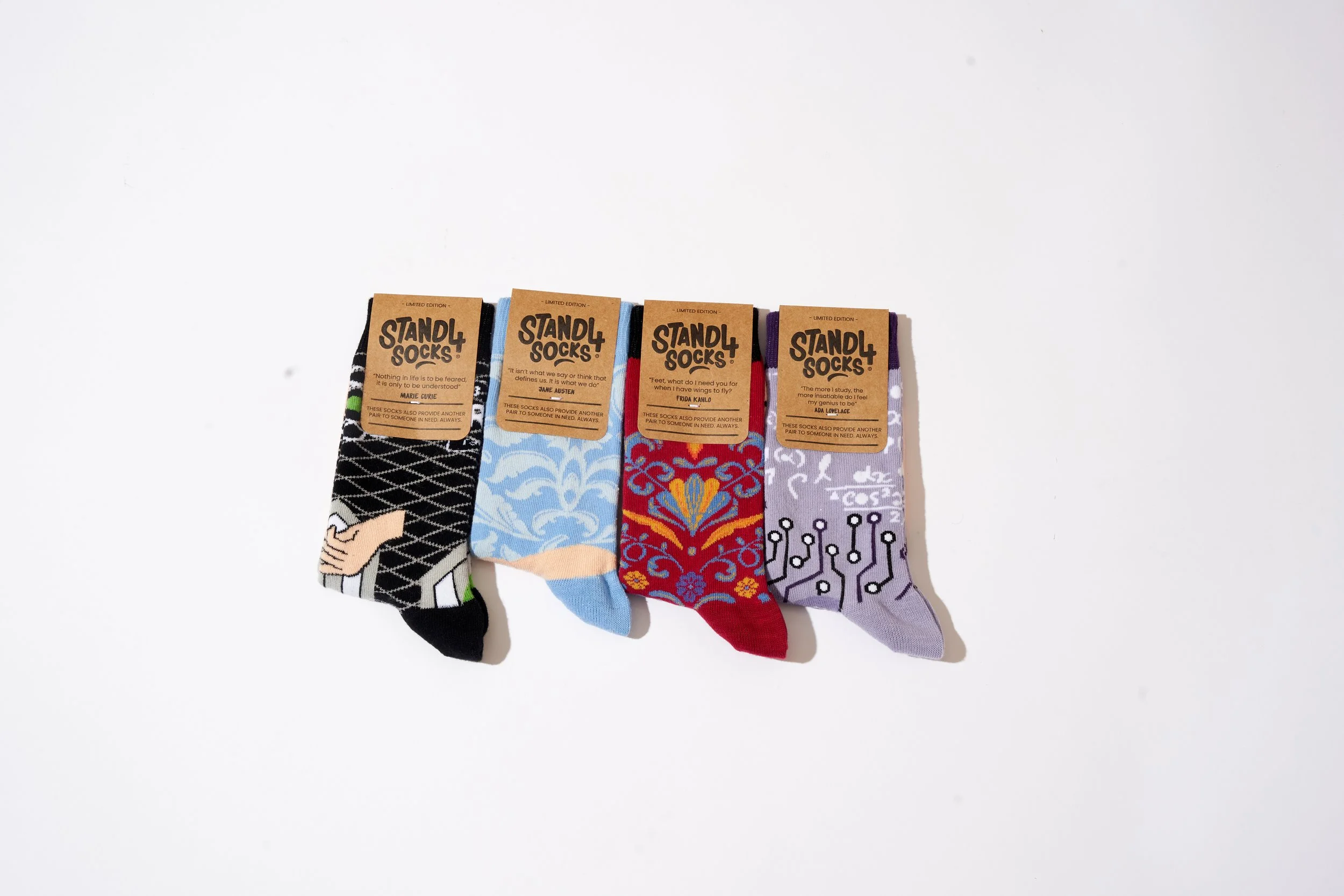
Custom socks offer businesses a practical way to create branded products people genuinely keep, wear, and remember. Whether used for onboarding, corporate gifting, fundraising, events, or internal culture initiatives, they provide long-lasting visibility without feeling forced or disposable.
For organisations looking to move beyond generic promotional products, Stand4Socks creates custom branded socks designed to feel useful, wearable, and genuinely memorable — while also supporting homelessness initiatives through every order.
