
Why B Corps Are Rethinking Corporate Gifting
Corporate gifting has long been a staple of business relationships. From client thank-you gifts and employee recognition programmes to event giveaways and seasonal campaigns, businesses have traditionally used gifts to strengthen connections and build goodwill. However, as more organisations adopt purpose-driven business models, the expectations surrounding corporate gifting are changing.
For B Corps in particular, gifting is no longer viewed simply as a marketing activity or a relationship-building exercise. It has become an extension of an organisation’s values. Every purchasing decision is increasingly being assessed through a wider lens that considers environmental impact, social responsibility, ethical sourcing, and alignment with the company’s mission.
As a result, many B Corps are rethinking not only what they give, but also why they give it.
Corporate Gifting Is No Longer Just About the Recipient
Historically, the success of a corporate gift was often measured by its perceived value or immediate impact. Businesses focused on finding gifts that looked impressive, carried strong branding, or generated positive reactions from recipients.
Today, B Corps are taking a broader view. They recognise that every gift sends multiple messages. Beyond the recipient experience, a gift can communicate a company’s commitment to sustainability, its approach to ethical business practices, and its willingness to support positive social outcomes.
This shift means organisations are asking new questions before placing an order. Where was the product made? What materials were used? Does the supplier operate responsibly? Is there a social impact component? Will the recipient genuinely use the product, or will it ultimately become waste?
The answers increasingly influence purchasing decisions.
The Problem With Traditional Corporate Gifts
Many traditional corporate gifts struggle to meet the expectations of purpose-driven organisations. Low-cost promotional items often have limited usefulness and may contribute to unnecessary waste. Products manufactured without transparency around labour practices can also create concerns for businesses that prioritise ethical supply chains.
For B Corps, there is often a disconnect between their mission and the merchandise they distribute. A company that actively promotes sustainability, community impact, or responsible business practices risks undermining those efforts if its gifting choices fail to reflect the same values.
This does not mean that corporate gifting has become less important. In many ways, it has become more important. The difference is that organisations now expect gifts to create positive impact alongside positive impressions.
Purpose and Practicality Must Work Together
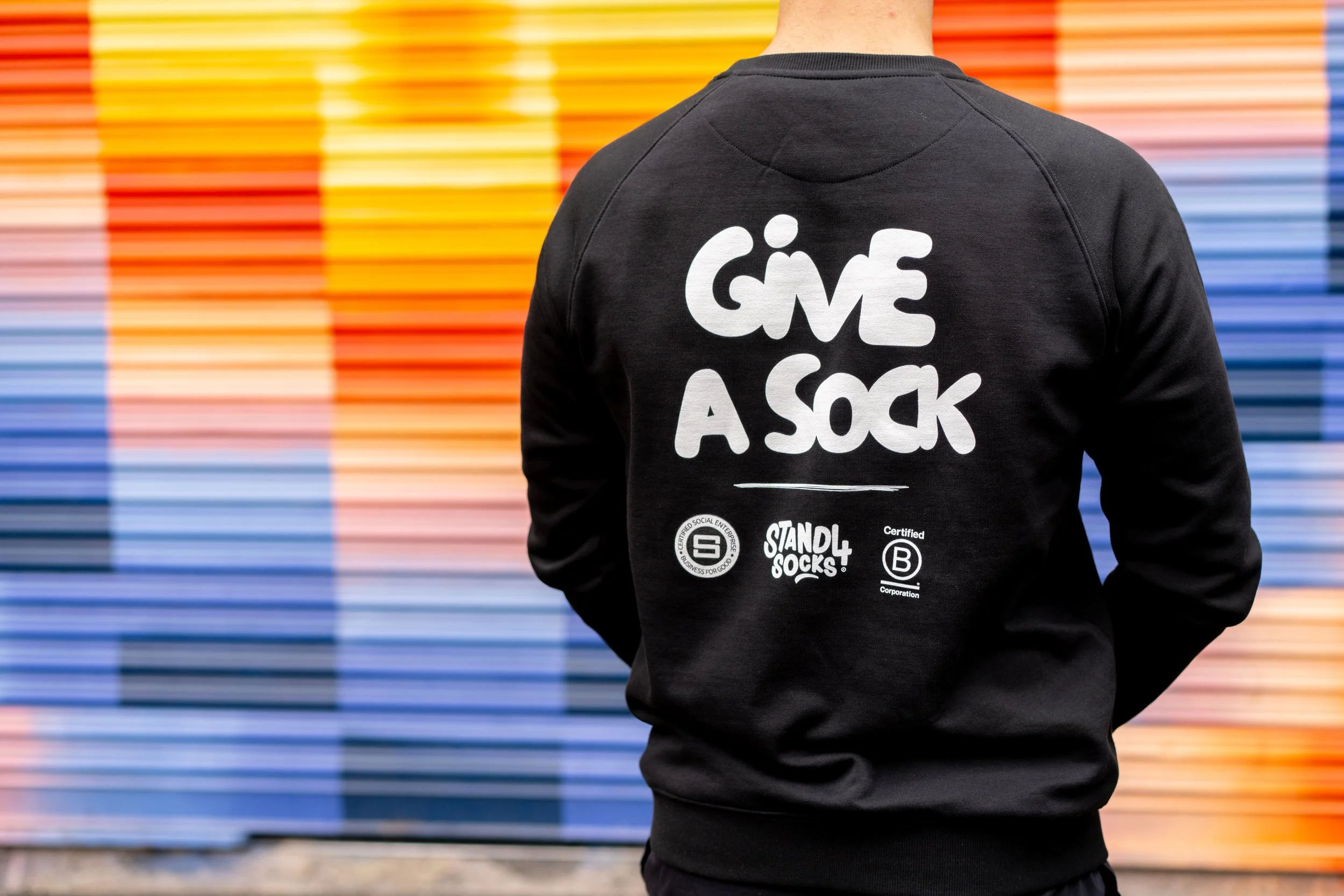
One of the biggest misconceptions about purpose-driven gifting is that businesses must choose between impact and practicality. In reality, the most successful corporate gifts achieve both.
Recipients still value products they can use in everyday life. The difference is that businesses are placing greater emphasis on selecting items that are durable, useful, and less likely to be discarded. Practical products naturally generate greater long-term brand exposure while reducing waste.
This is one reason why many B Corps are moving towards merchandise that serves a genuine purpose rather than novelty giveaways. Products that become part of a recipient’s daily routine create ongoing value for both the recipient and the organisation providing them.
Final Thoughts
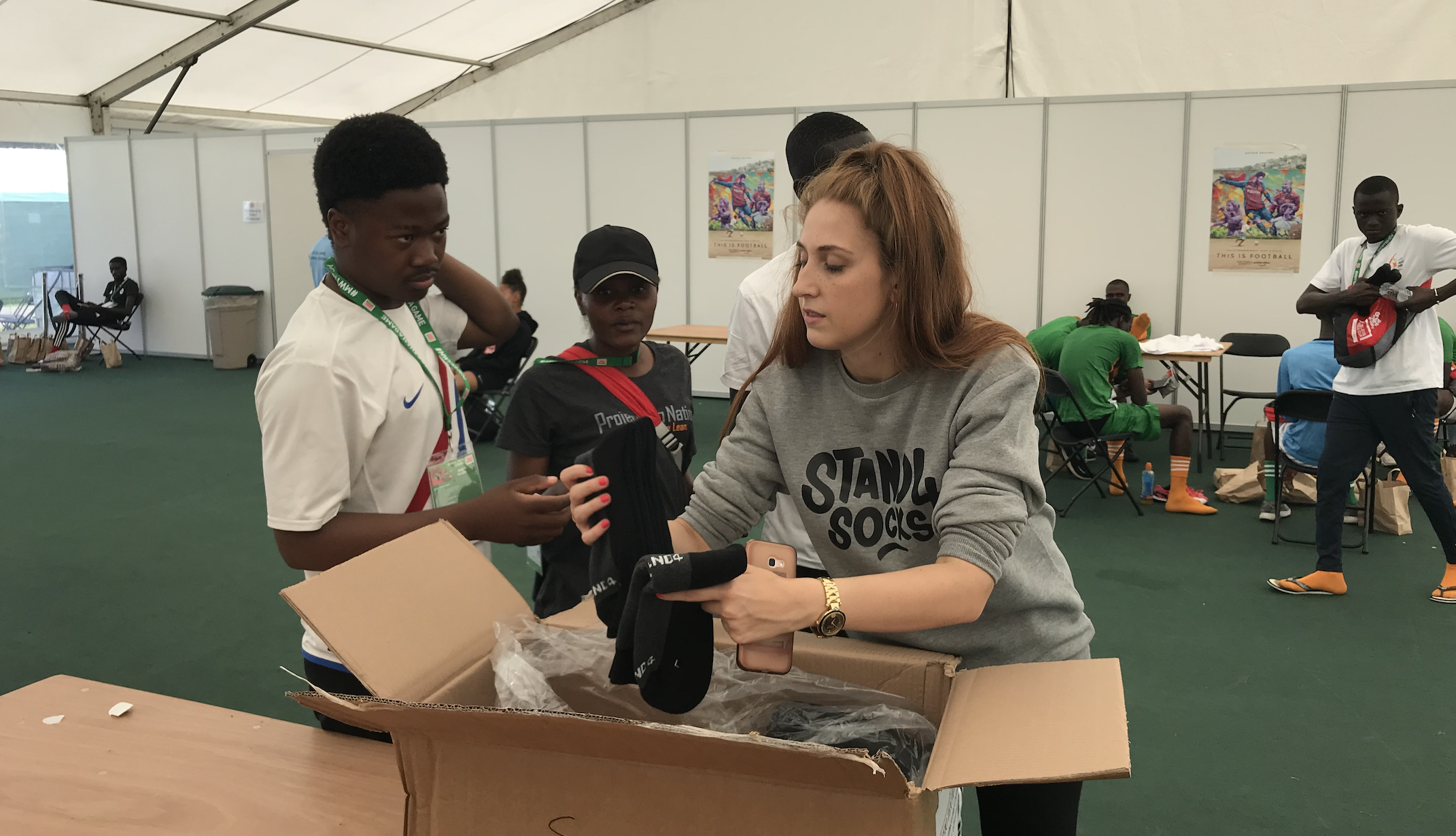
The future of corporate gifting is likely to be defined by quality, usefulness, sustainability, and impact. B Corps are leading this shift by challenging traditional approaches and seeking alternatives that create value for recipients, businesses, and communities alike.
For organisations committed to balancing profit with purpose, corporate gifts are becoming more than a gesture. They are a reflection of what the business stands for and the kind of impact it wants to have on the world.
When gifting choices align with organisational values, they do more than strengthen relationships. They help tell a story about the business itself.
