
Event Merchandise That Doesn’t Get Left Behind
Trade shows, conferences, and corporate events are designed to create momentum — new conversations, new leads, and renewed brand visibility. Yet when it comes to merchandise, many brands still default to the same familiar choices without questioning their effectiveness.
Giveaways are often selected based on unit cost, speed of production, or ease of distribution, rather than how they will actually be received. The result is a sea of branded items that look impressive on the day but offer very little value once attendees leave the venue.
This approach creates two problems. First, it limits brand impact by turning merchandise into a short-lived interaction rather than a lasting touchpoint. Second, it contributes to waste, as many of these items are discarded or forgotten almost immediately. In an environment where brands are increasingly judged on sustainability and intention, forgettable merchandise can quietly undermine the message a business is trying to communicate.
What Attendees Actually Keep
Event attendees are far more selective than brands often give them credit for. With limited space and attention, people naturally gravitate toward items that feel genuinely useful and easy to incorporate into daily life. Products that serve a clear purpose — and do so comfortably — are much more likely to make it home, and even more likely to be used.
When merchandise fits seamlessly into someone’s routine, it becomes part of their everyday experience rather than a reminder of a single event. This is where long-term value is created. A product that is worn or used weeks after an event continues to reinforce brand presence without any additional effort or cost. Over time, these repeated touchpoints build familiarity and positive association that far outlast the original interaction.
Subtle Branding Creates Stronger Recall
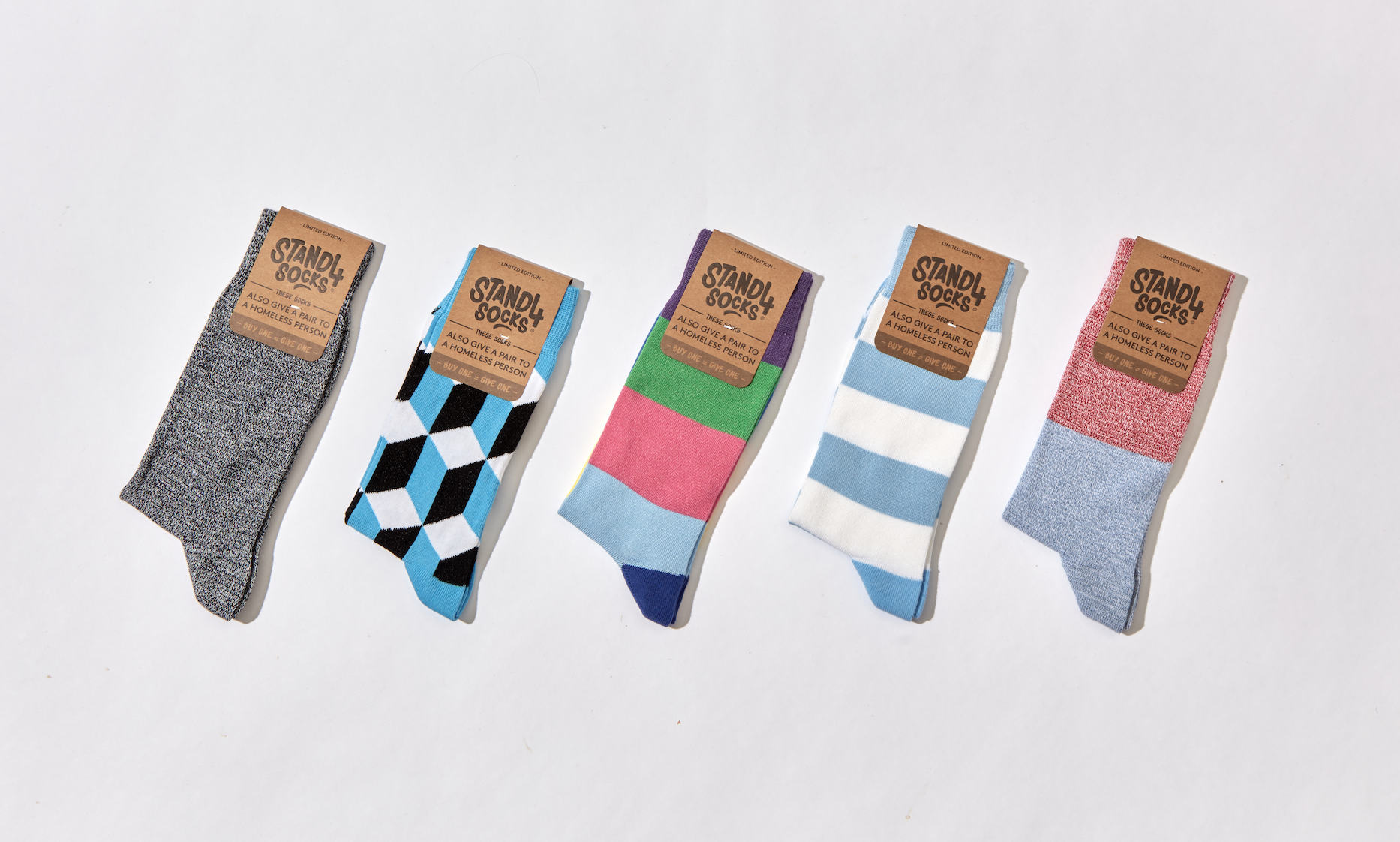
At busy events, subtlety often has more impact than volume. Attendees are exposed to dozens — sometimes hundreds — of logos in a single day, making it difficult for any one brand to stand out through repetition alone. Merchandise that prioritises quality, comfort, and design over oversized logos tends to feel more considered and more premium.
Subtle branding allows the product to lead, with the brand acting as a quiet signature rather than the main attraction. This restraint often results in stronger recall because the item feels intentional rather than promotional.
When people enjoy using a product, they remember where it came from — even without being constantly reminded.

Designing for the After-Event Moment
The true measure of event merchandise success is not how it performs on the show floor, but what happens afterwards. Brands that design merchandise with longevity in mind extend the life of their event investment far beyond the closing day.
Instead of a single burst of exposure, they create ongoing brand presence through repeated use.
By thinking beyond the event itself and focusing on how a product fits into real life, businesses can turn merchandise into a meaningful extension of their brand. Items that are practical, wearable, and thoughtfully produced continue to work quietly in the background, reinforcing brand values and maintaining visibility long after the banners come down.
Final Thoughts
Event merchandise doesn’t need to be louder to be more effective — it needs to be more intentional. When brands shift their focus from quick giveaways to products people genuinely want to keep, the impact becomes longer-lasting and more authentic. Thoughtful merchandise respects the attendee’s time, space, and values, while delivering sustained brand presence in return.
In a crowded event landscape, the brands that stand out are often the ones that choose restraint, quality, and relevance over noise. Merchandise that doesn’t get left behind isn’t just better for recipients — it’s better for the brand as well.
If your event matters beyond the show floor, choose merchandise designed to last.
