
Promotional Products Attendees Genuinely Want
Promotional products have long been a staple of conferences, trade shows, and brand activations. But the gap between what businesses hand out and what attendees actually want has never been more visible. Walk through any major event and you’ll still see tables covered in pens, stress balls, tote bags, and plastic gadgets that look appealing in the moment but rarely make it beyond the hotel room.
Attendees today are more selective. They attend multiple events a year, often across different industries, and they quickly develop a sense for what feels useful versus what feels like filler. As a result, promotional products are no longer judged by how many people take them — but by how many people actually keep them.
Usefulness Has Become the New Standard
The biggest change in promotional merchandise is the expectation of usefulness. Attendees are far more likely to keep products that solve a small everyday need, especially if they can use them immediately after the event.
This is why traditional low-cost giveaways are becoming less effective. Items that feel disposable or overly generic are often discarded quickly, regardless of how many are distributed. In contrast, practical items like reusable drinkware, tech accessories, notebooks, and wearable merchandise consistently perform better because they remain relevant beyond the event itself.
There is also a psychological shift at play. Attendees increasingly associate useful products with thoughtful brands. When a giveaway feels genuinely helpful, it reflects positively on the company behind it. When it feels cheap or unnecessary, it can unintentionally dilute brand perception.
Wearable Products Continue to Outperform
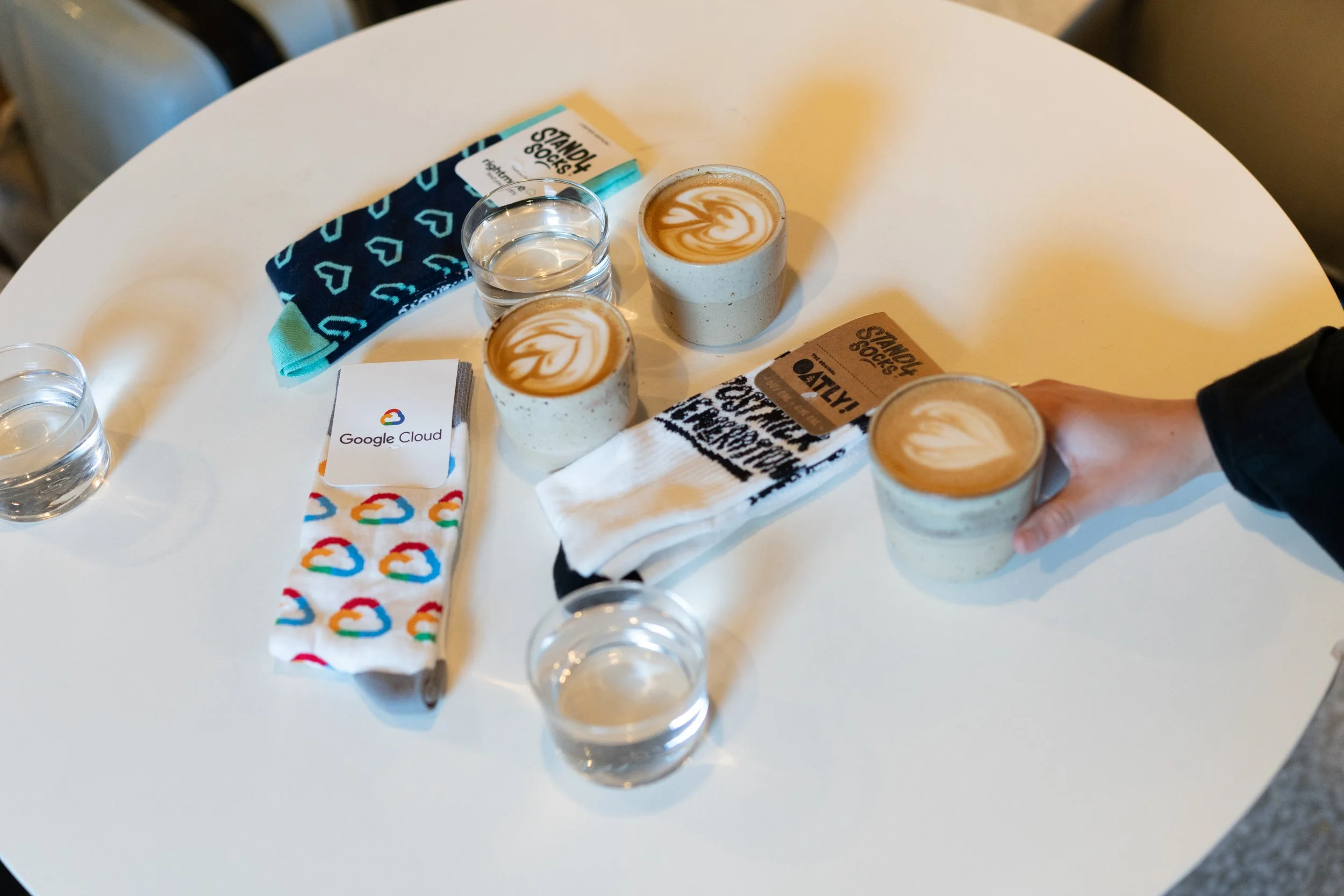
Wearable merchandise remains one of the most effective categories in event marketing because it combines practicality with ongoing visibility. Unlike many traditional giveaways, wearable products continue generating impressions long after the event ends.
The key shift in recent years is design. Loud, heavily branded merchandise is becoming less desirable, while subtle, lifestyle-oriented products are far more likely to be worn outside the event environment. Attendees want items that feel natural in their everyday wardrobe, not products that immediately signal “marketing giveaway.”
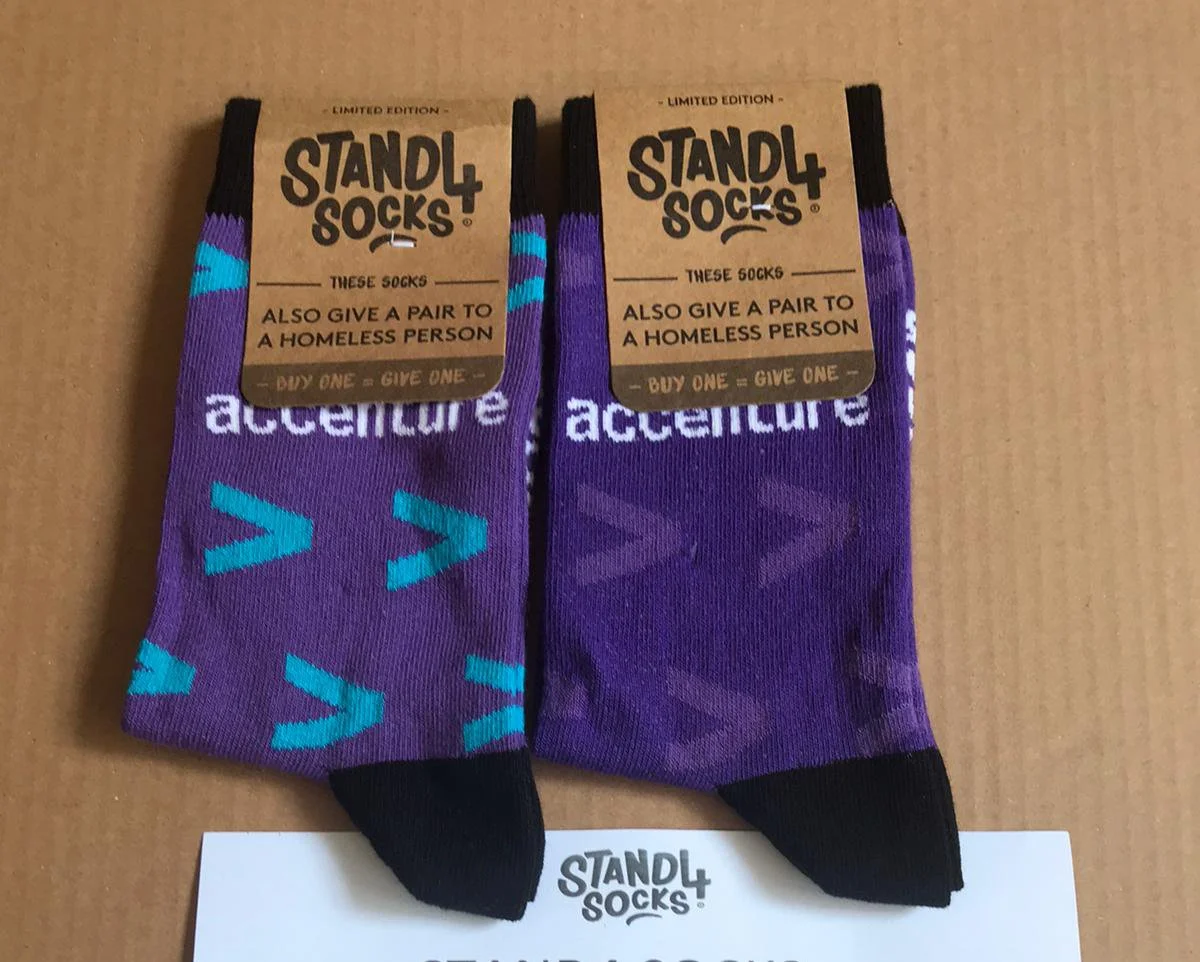
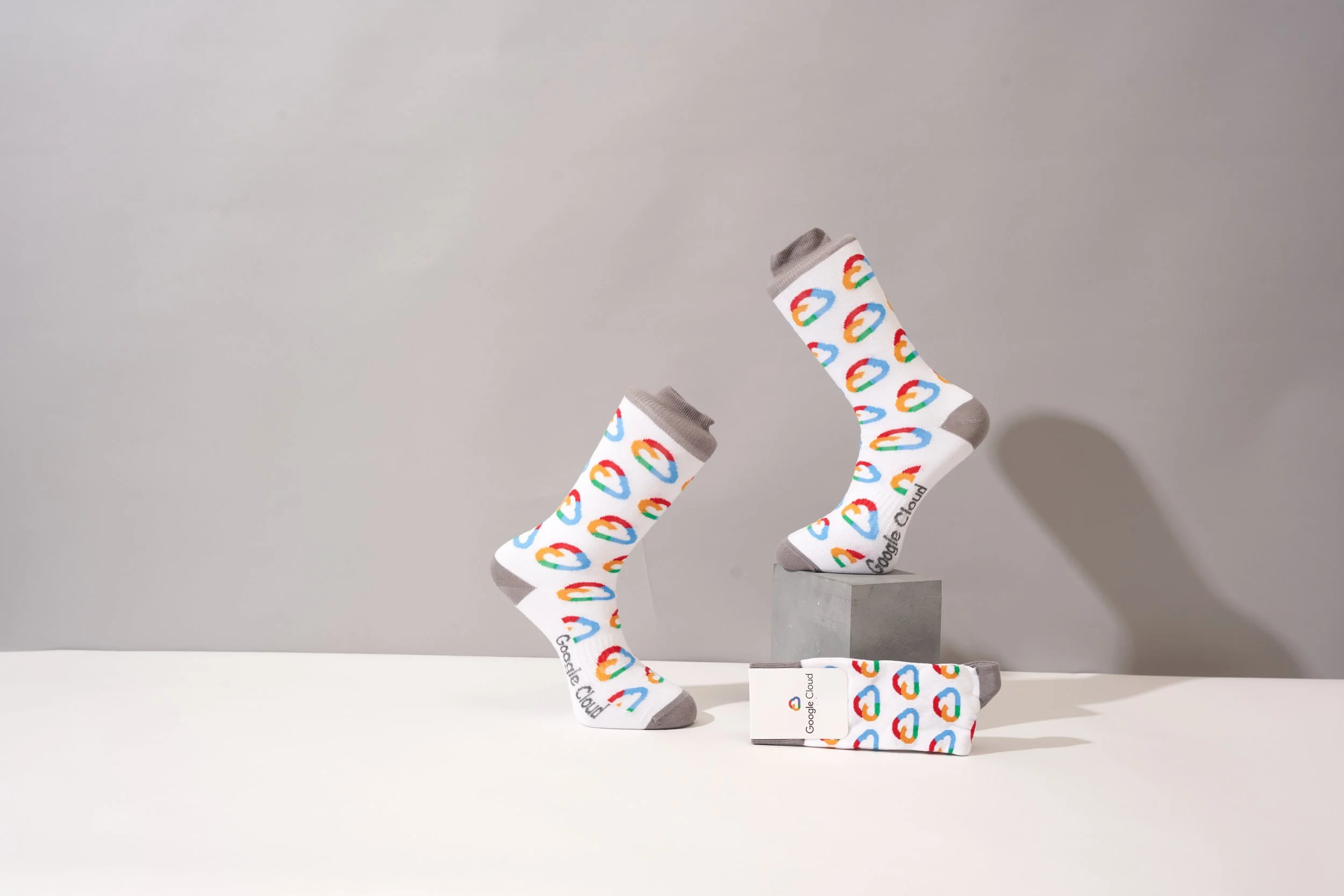
Custom socks are a strong example of this evolution. They are practical, easy to size, and universally usable across industries, making them ideal for conferences and large-scale events. Unlike more complicated apparel items, they also avoid fit issues and are more likely to be used regularly.
Sustainability Is Influencing What People Keep
Attendees are also increasingly aware of sustainability when deciding which promotional products to keep. In a world where people are more conscious of waste, items that feel disposable or unnecessary are often left behind or discarded quickly.
This has led to a clear preference for products that are reusable, durable, and intentionally designed. Attendees are more likely to keep items that feel like they have a purpose beyond branding, especially if they align with broader environmental expectations.
Brands are responding by shifting toward higher-quality merchandise that prioritises longevity over quantity. Instead of distributing large volumes of low-value items, many companies are now investing in fewer products that feel more meaningful and longer-lasting.
Final Thoughts
Promotional products are evolving from short-term giveaways into long-term brand touchpoints. Attendees are no longer impressed by volume alone — they want products that are useful, well-designed, and worth keeping.
The most effective event merchandise is now defined by practicality, longevity, and subtle branding rather than novelty or excess. Wearable products, reusable items, and thoughtfully designed gifts consistently outperform traditional promotional swag because they continue delivering value long after the event.
