
The Marketing Power of Repeated Everyday Use
Most marketing strategies focus heavily on the moment of attention — the click, the impression, the visit, or the event interaction. But the brands that tend to stay in people’s minds long after the initial touchpoint are usually the ones that show up repeatedly in everyday life in a subtle, consistent way.
This is where physical products still hold a unique advantage over digital marketing. While ads disappear, scroll past, or get blocked, physical items continue to exist in someone’s routine. When a product is used regularly, it quietly reinforces brand familiarity without requiring any additional spend or campaign effort. Over time, that repetition becomes one of the strongest drivers of brand recall.
Repetition Builds Familiarity Without Effort
One of the most powerful aspects of repeated exposure is that it doesn’t feel like marketing to the customer. When someone uses a product regularly, they are not consciously engaging with a brand message — they are simply integrating it into their daily routine.
This repeated exposure builds familiarity over time. Psychological studies have long shown that familiarity increases trust, and trust is a major driver of purchasing decisions. The more often someone encounters a brand in a natural context, the more comfortable and recognisable it becomes.
Unlike traditional advertising, which requires ongoing spend to maintain visibility, physical products continue working in the background. A well-designed item can generate impressions for months or even years without additional effort from the brand.
Everyday Products Become Silent Brand Ambassadors
When a product becomes part of someone’s daily life, it starts functioning as a quiet brand ambassador. It appears in moments where no marketing message would normally exist — at home, during travel, at work, or in casual social settings.
This kind of exposure is especially powerful because it feels authentic. People don’t perceive it as advertising; they perceive it as normal usage. That distinction is what makes everyday products so effective in building long-term brand association.
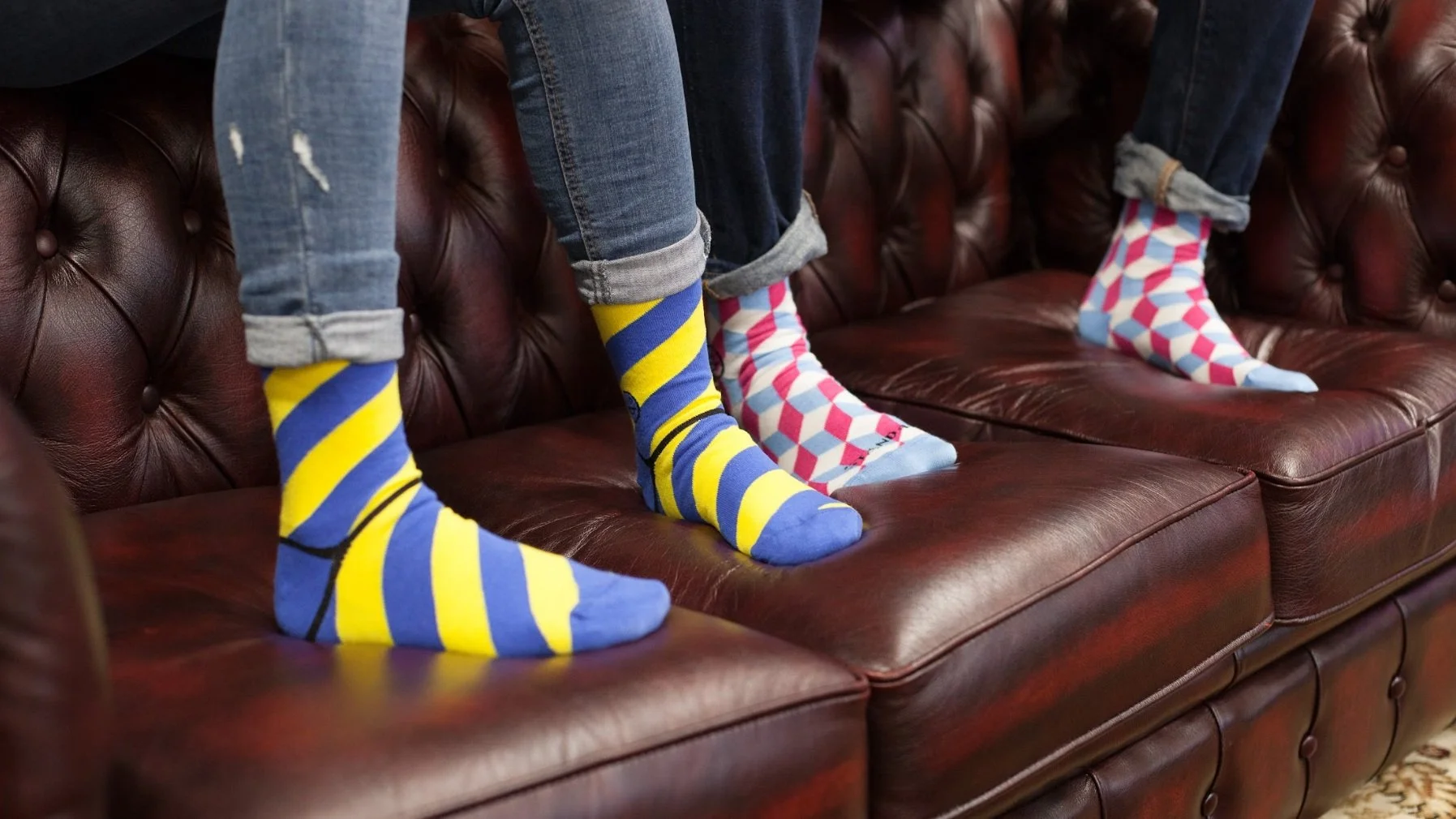
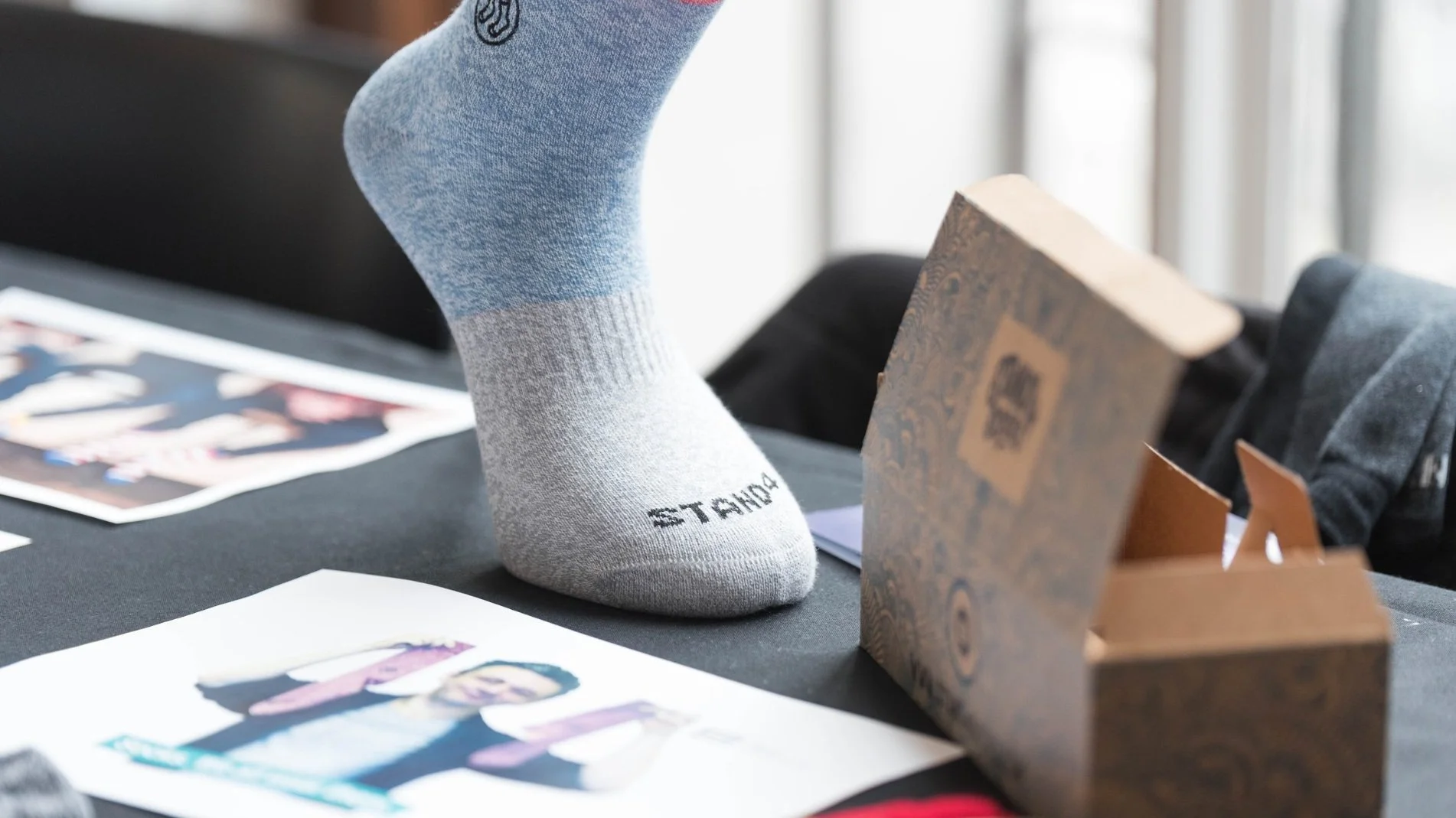
Wearable merchandise performs particularly well in this context. Items like clothing, accessories, or practical apparel naturally move through different environments and audiences. A single product can generate dozens of micro-impressions simply through being worn in public or in social settings.
The Shift From Campaign Thinking to Behavioural Presence
Traditional marketing often revolves around campaigns — defined bursts of activity designed to create immediate attention. While campaigns still matter, they tend to operate in short cycles. Once the campaign ends, so does the visibility.
Everyday-use products operate differently. Instead of creating a short spike in attention, they create long-term behavioural presence. The brand becomes part of a routine rather than a moment.
This shift is important because it changes how value is measured. Instead of asking how many people saw something once, businesses begin to consider how often someone interacts with a product over time.
Final Thoughts
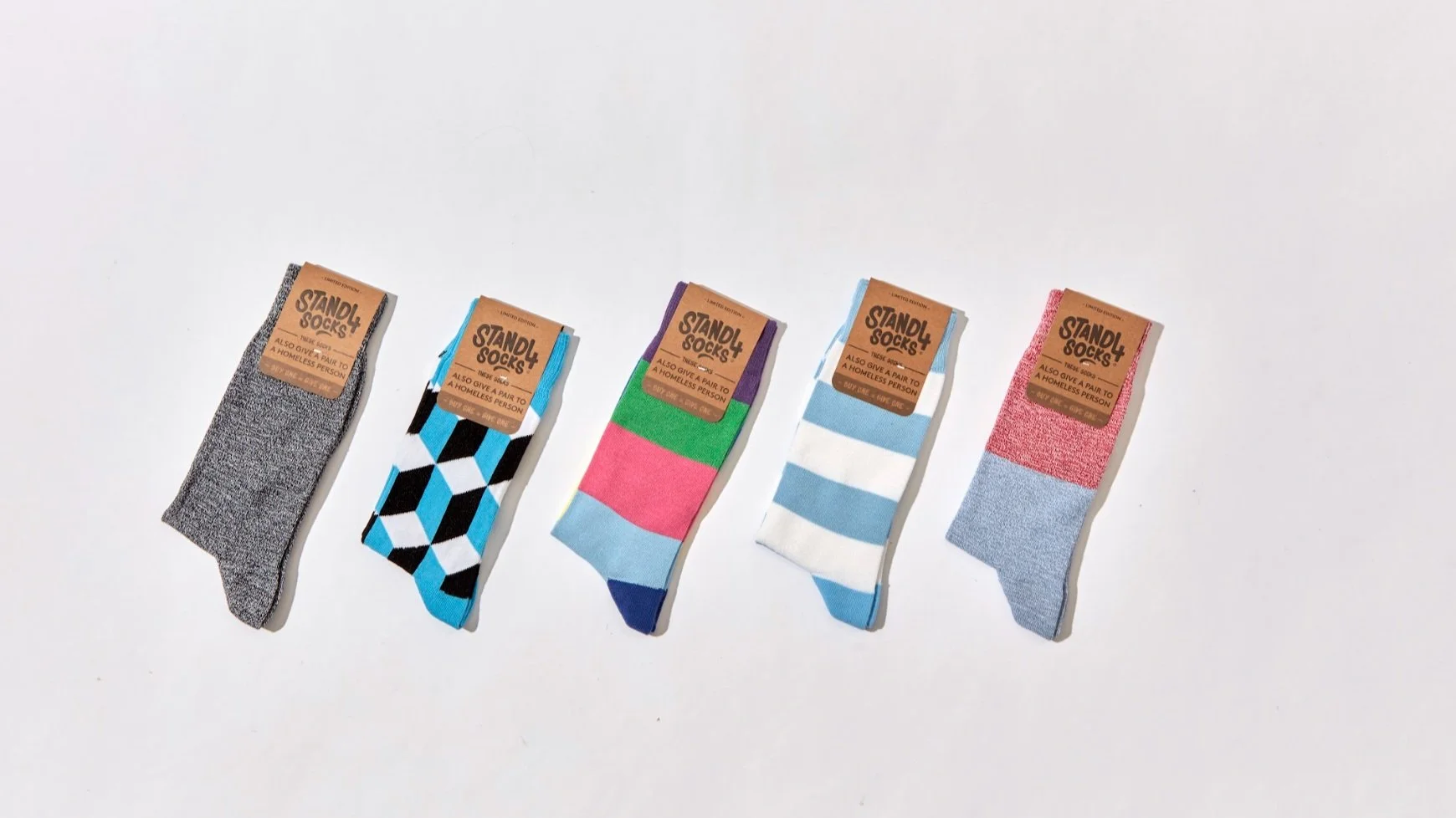
Custom branded socks are a strong example of this principle in action. They are practical, comfortable, and naturally integrated into daily life, which allows brands to remain present in subtle but consistent ways over time.
Stand4Socks helps organisations create custom socks designed for long-term use, turning a simple everyday item into a continuous brand touchpoint — while also supporting homelessness initiatives through every order.
