
Sustainable Corporate Gifting in 2026: Moving Beyond Branded Stationery
Corporate gifting hasn’t evolved at the same pace as corporate responsibility.
While businesses publish ESG reports and sustainability commitments, promotional merchandise often remains unchanged, plastic-heavy stationery, single-use conference giveaways, low-durability branded items designed for visibility rather than longevity.
Procurement teams are increasingly being asked tougher questions:
How long will this product be used?
What is the waste impact per campaign?
Does this align with our sustainability reporting?
The traditional catalogue of branded stationery rarely holds up under scrutiny.
The Shift from Visibility to Value
For years, promotional strategy centred on volume and logo exposure. The more items distributed, the greater the reach. But reach without retention delivers weak return on investment.
Modern corporate gifting is shifting towards durability, functionality, and measurable lifecycle value.
A product that is used repeatedly over months — or even years — generates exponentially more impressions than something discarded after a single event. More importantly, it aligns with procurement objectives focused on waste reduction and responsible sourcing.
This is where wearable merchandise enters the conversation.

Corporate Gifting as Brand Positioning
In 2026, every touchpoint reflects brand values.
Clients, employees, and event attendees are more conscious of overproduction and unnecessary waste. When a company distributes thoughtful, practical merchandise, it signals consideration. When it distributes disposable items, it signals excess.
The difference is subtle, but commercially significant.
Sustainable gifting also strengthens internal engagement. Employees are more likely to appreciate gifts that feel useful rather than symbolic. A well-designed, wearable product communicates that the business invested thought into the gesture, not just budget.
Beyond the Exhibition Stand
Trade shows and corporate events remain key channels for B2B engagement, but they are also environments saturated with identical promotional materials.
Standing out no longer requires louder branding, it requires smarter product choices.
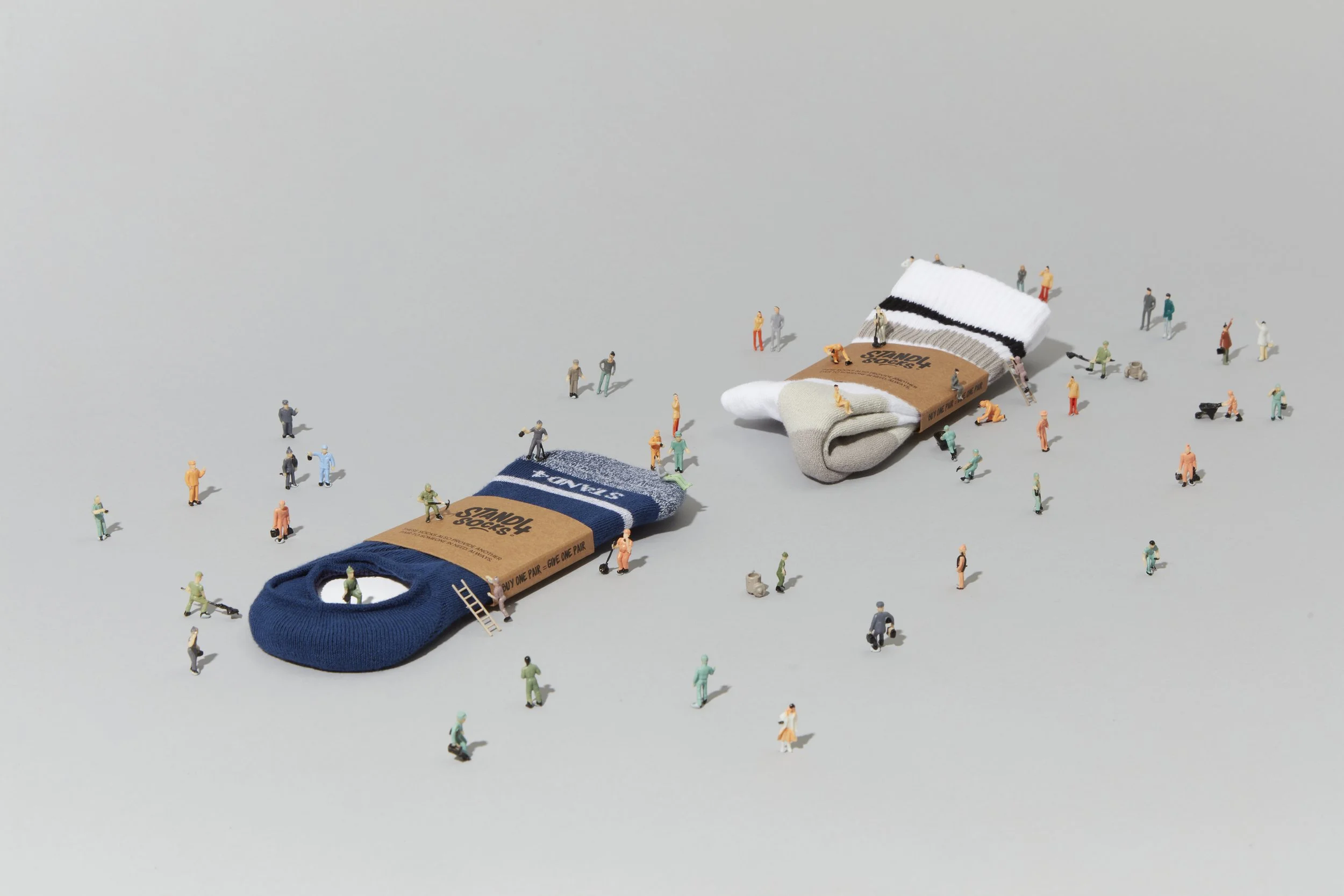
Wearable merchandise such as custom branded socks offers a balance of practicality and memorability. They are lightweight for logistics, cost-effective at scale, and adaptable to campaign themes or corporate identity.
More importantly, they continue working long after the event ends.
Each wear becomes an ongoing brand impression in offices, homes, gyms, and social settings. This transforms gifting from a one-day interaction into long-term brand presence.

Final Thoughts
Businesses that adapt early will see stronger brand retention and improved alignment with ESG objectives.
Moving beyond branded stationery is not about abandoning merchandise, it’s about elevating it.
In a market where perception matters, practical, wearable gifting is no longer unconventional. It’s commercially intelligent.
