
Cost Per Impression: Why Wearable Merchandise Delivers Longer ROI
Corporate gifting and promotional merchandise are often evaluated on unit cost alone, yet this metric misses the real story. Smart procurement teams increasingly consider the cost per impression, a measure that captures not just how much was spent, but how effectively a brand reaches its audience over time.
When businesses focus solely on upfront price, they may inadvertently overlook products that generate far more exposure and engagement.
A low-cost item may be used once or twice and then discarded, delivering a fleeting interaction, whereas a higher-quality wearable product can be integrated into daily life, creating repeated brand impressions over months or even years. In 2026, long-term ROI is paramount, and wearable merchandise provides an opportunity to achieve it.
Why Cost Per Impression Matters
Cost per impression, in the context of promotional merchandise, measures how much a company effectively spends for each time a brand is seen by an audience. While this is a standard metric in digital advertising, it is often underutilized in physical merchandise campaigns.
A £2 branded pen that sits forgotten on a desk for a week may appear economical, but its true cost per impression is high relative to a £6 product that is used weekly for an entire year. The difference lies not in the initial expense but in the longevity and visibility of the item.
Products that continue to be used, seen, and interacted with reduce the relative cost of each impression, making them far more valuable in reinforcing a brand over time.
The Limits of Low-Cost Merchandise
Low-cost promotional merchandise is frequently short-lived, easily misplaced, and quickly forgotten. While it may offer savings upfront, these items often fail to generate sustained engagement or meaningful exposure. A promotional pen, keychain, or tote that is discarded shortly after receipt produces only a handful of impressions, which dramatically inflates the cost of each brand interaction over time.
Moreover, these items contribute to unnecessary waste, both environmentally and operationally, because they rarely remain in circulation long enough to deliver the marketing impact they were intended to achieve.
Companies that fail to account for longevity may inadvertently undermine their brand campaigns and miss out on measurable ROI.

Wearable Merchandise: A Strategic Alternative
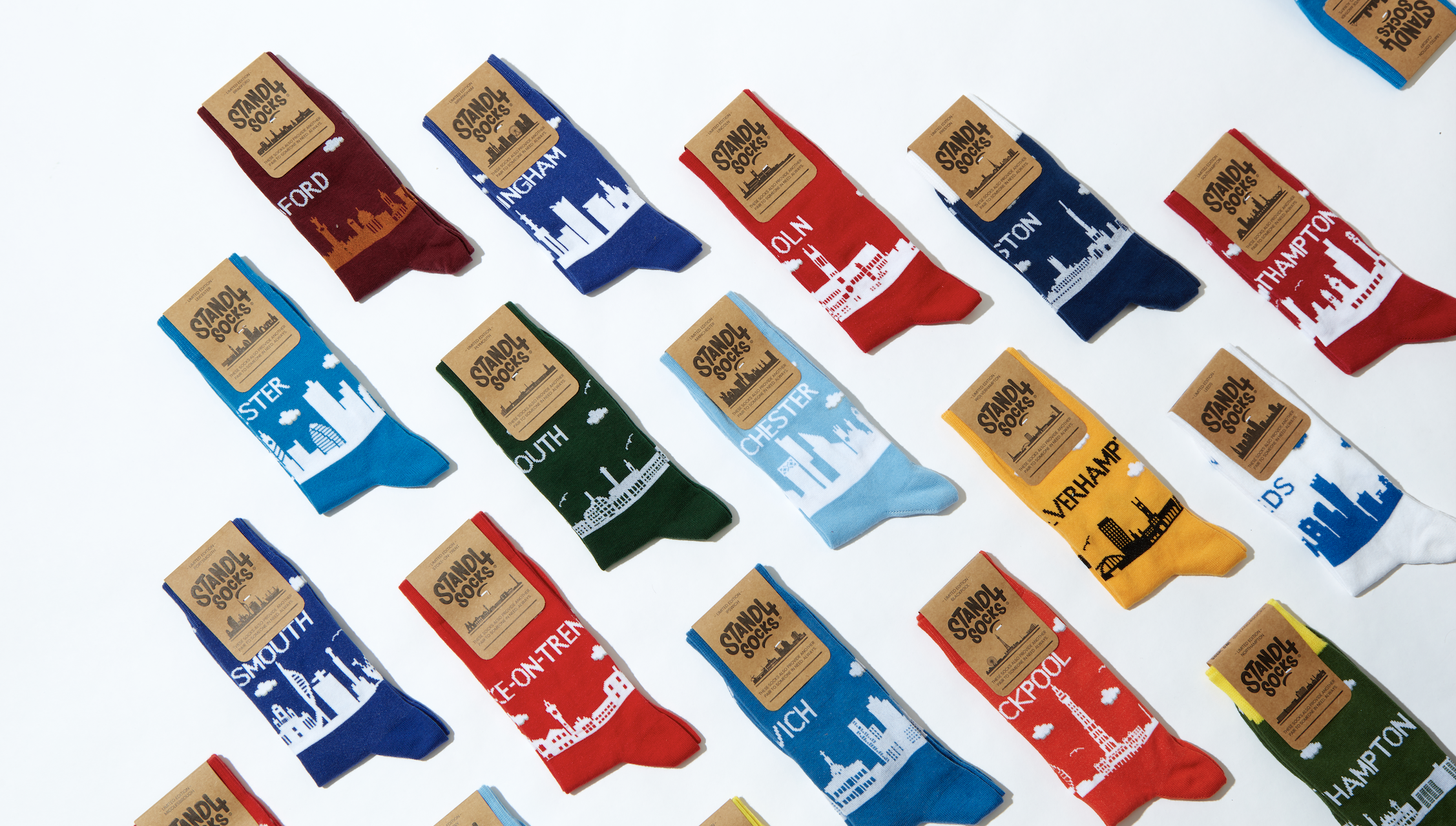
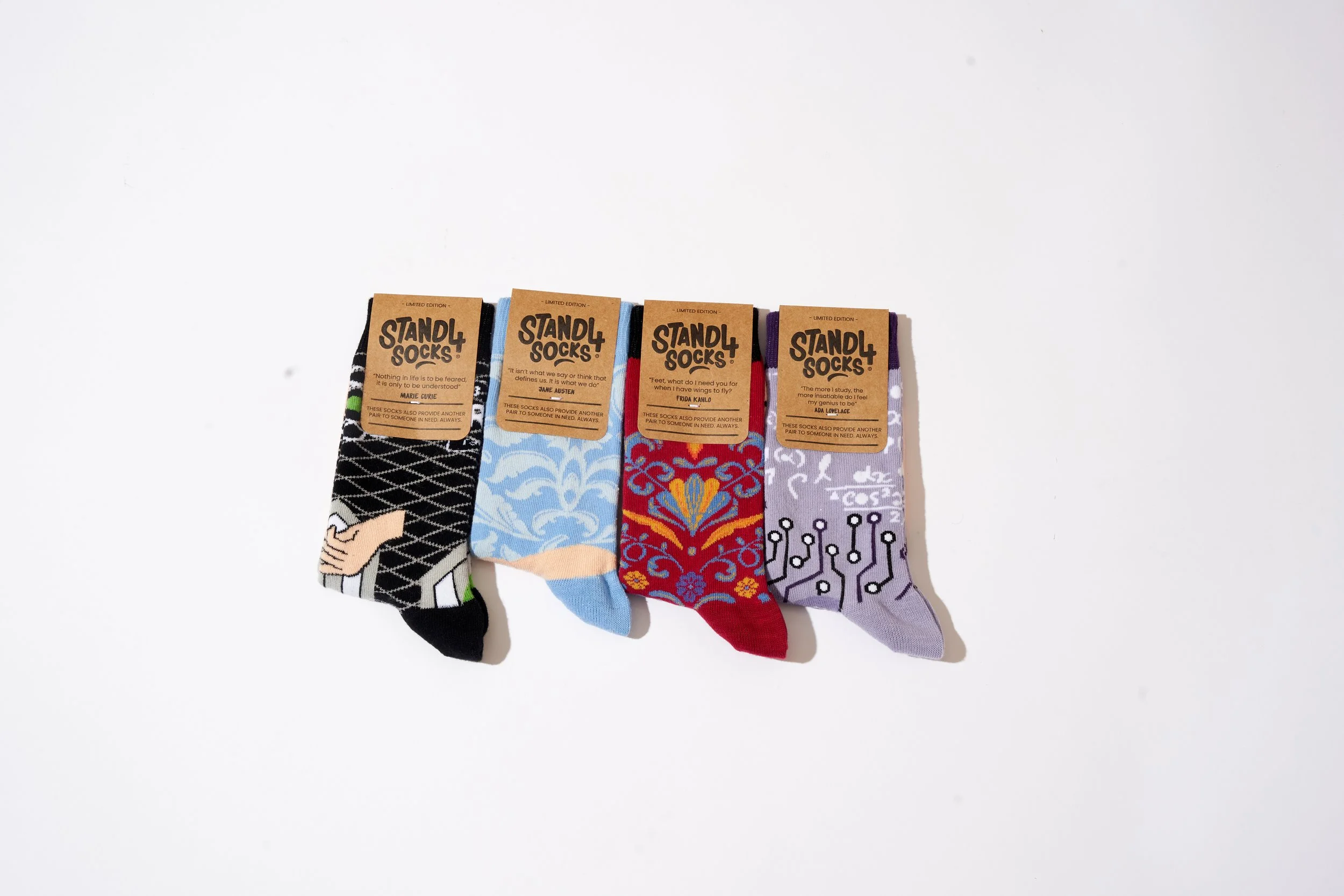
Wearable merchandise, particularly high-quality items like custom socks, functions differently. These products naturally integrate into the recipient's daily life, moving across offices, homes, events, and social settings. Each interaction with a wearable product creates a new touchpoint for the brand, often generating far more impressions than traditional merchandise.
A pair of socks worn weekly over a year can easily generate fifty or more impressions for the wearer alone, not counting the secondary visibility in social environments where colleagues, friends, or family members notice the item. In contrast, a notebook or tote may see far fewer repeated interactions, leaving the brand impression weaker over time.
Final Thoughts
For B2B marketing teams seeking measurable impact, wearable merchandise is more than a gift — it is a repeatable advertising channel. By prioritizing products that integrate into daily life, businesses can stretch their marketing budgets further and achieve stronger, longer-lasting ROI. If your brand is looking to move beyond forgettable items and maximize impressions, consider incorporating high-quality wearable products into your next employee gifting or promotional campaign.
Stand4 Socks can help you design and deliver premium wearable merchandise that not only delights recipients but also builds your brand visibility consistently.
