
The Currency of Conscience: Why "Impact Gifting" is the New B2B Standard
In the sterile world of corporate procurement, we are trained to look at line items, lead times, and unit costs. We’ve spent decades optimizing the "what" and the "how much," often at the total expense of the "why." But as we move through 2026, a fundamental shift is occurring in how the world’s most successful brands approach their physical touchpoints. They are moving away from passive merchandise and toward what we call Active Impact.
When a company chooses to partner with Stand4 Socks for their corporate gifting or onboarding, they aren't just selecting a high-quality cotton blend or a bold aesthetic.
They are making a calculated decision to bake social responsibility into their overhead. They are turning a traditional marketing expense into a direct social intervention.
The Problem with "Empty" Branding
For years, the B2B world has been littered with "empty" branding—items that carry a logo but offer no legacy. A plastic trophy or a polyester tote bag serves a singular, fleeting purpose before inevitably joining the millions of tons of promotional waste that define our industry’s environmental footprint. This creates a "values gap." If your corporate mission statement touts sustainability and social equity, but your physical outreach is generic and disposable, your brand is speaking in contradictions.
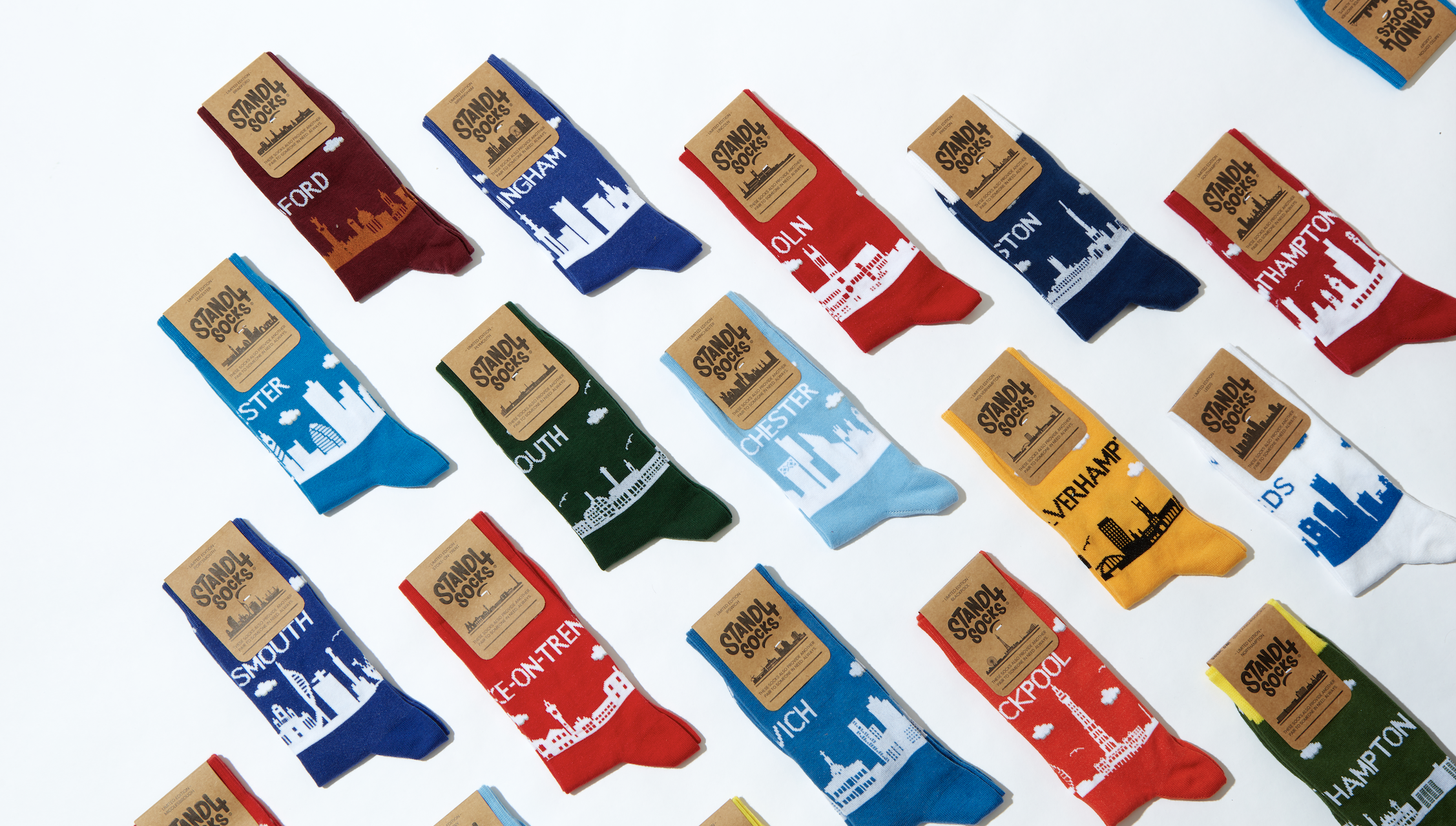
Stand4 Socks bridges this gap through the "Buy One, Give One" model, specifically engineered for the most requested, yet least donated, item in homeless shelters: socks. By integrating this model into a B2B strategy, a firm transforms its holiday gifts or conference swag into a measurable ESG metric.
Suddenly, a 500-unit order for a tech summit isn't just 500 pairs of socks; it is 500 acts of dignity provided to those experiencing homelessness.
Engineering for the "Front Lines"
The brilliance of this model lies in the technicality of the product itself. The socks donated through Stand4 aren’t just off-the-shelf leftovers; they are specifically engineered for the harsh realities of life on the streets. They feature reinforced seams, antibacterial coatings to prevent infection, and darker colors to maintain longevity.
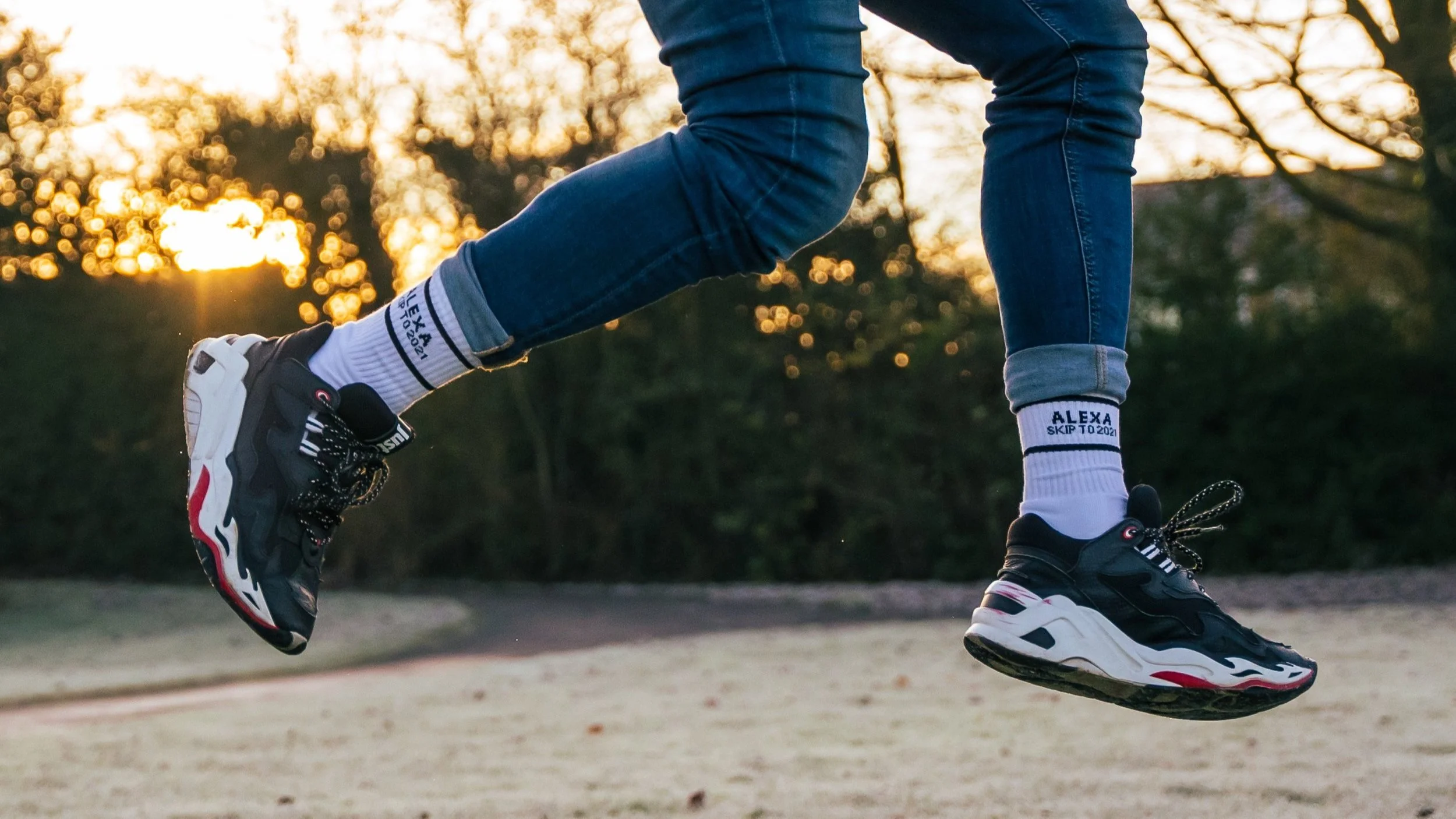
When a B2B partner shares this story with their clients, the "gift" takes on a new dimension of value. It’s no longer just something to wear; it’s a conversation about systemic change. It gives the recipient a reason to advocate for your brand. They aren't just wearing your logo; they are wearing a testament to your company's character. In a competitive landscape where services are often commoditized, character is the only remaining differentiator.
The ROI of Tangible Altruism
Critics often argue that social impact is a "soft" metric, difficult to track on a balance sheet. We disagree. In 2026, the ROI of a Stand4 partnership is found in the Longevity of Association. A client who receives a gift that actually does something in the world is a client who remembers the giver.
Every time that client puts on those socks, they are reminded of a brand that stands for something more than just a quarterly profit margin. They are reminded of a partnership that values human dignity as much as it values a signed contract. In the long game of B2B retention, that sense of shared purpose is worth more than any discount or digital "thank you" could ever be. It’s time to stop sending "stuff" and start sending an impact.
Final Thoughts
Ultimately, the most resonant brands of 2026 are those that understand the distinction between "swag" and "substance." When you choose to gift something that carries genuine human impact, you stop being just another vendor in a saturated market and start becoming a partner who aligns with your client’s personal values. By choosing gear that is as durable as it is purposeful, you ensure that your brand isn't just seen—it’s felt. The era of disposable marketing is coming to a close; the era of intentional, high-impact storytelling has arrived.
