
Your Corporate Gifting Strategy is Creating "Negative Equity"
In the high-stakes world of B2B relationship management, we often talk about "touchpoints." We track every email, every LinkedIn interaction, and every webinar sign-up with clinical precision. Yet, when it comes to the physical manifestation of our brand, the gifts we send to prospects and the "swag" we hand out at conferences—many firms revert to a 1990s playbook of mass-produced plastic.
There is a growing, silent crisis in the industry known as "Swag Fatigue," and it is doing more than just wasting your marketing budget. It is actively eroding your brand equity.
The Psychology of the "Cheap Gift"
When a prospective client receives a low-quality, branded plastic power bank that stops working after two charges, they don’t just throw the item away. Subconsciously, they associate your brand with that failure. In a B2B environment where reliability and trust are the primary currencies, sending a "disposable" product sends a message that your services might be equally short-lived.
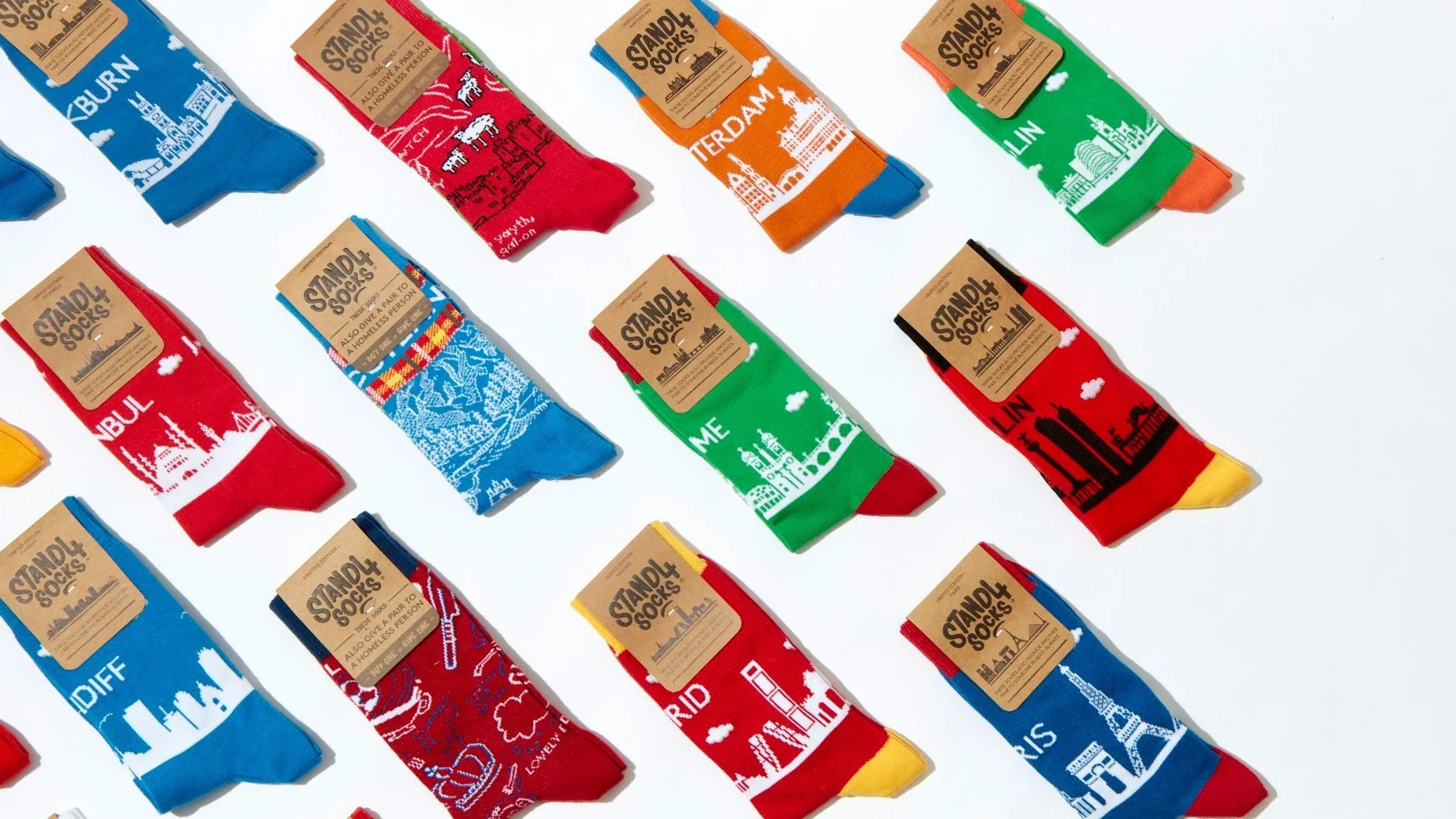
We are moving into an era of "Quiet Luxury" in the corporate world. Decision-makers at the VP and C-suite levels are no longer impressed by volume; they are impressed by discernment. A single, high-quality item that solves a genuine daily friction point—perhaps a beautifully bound notebook with premium paper or a pair of ergonomically designed, sustainable socks—outperforms a box of ten generic trinkets every time. The goal is to move from being "clutter" on a desk to becoming a "staple" in a client’s daily routine.

The ESG Mandate: From Slogan to Substance
Furthermore, the B2B landscape of 2026 is governed by rigorous ESG (Environmental, Social, and Governance) standards. Procurement departments are increasingly vetting partners based on their carbon footprint and ethical practices. When you distribute thousands of non-recyclable items, you aren't just creating waste; you are handing your prospects a physical record of your company’s disregard for sustainability.
The shift toward "Impact Gifting"—where every item sent has a story, such as a "Buy One, Give One" model—isn't just a nice-to-have marketing angle. It is a strategic alignment with the values of your modern buyer.
It transforms a transaction into a shared mission. You are no longer just a vendor; you are a partner who shares their commitment to social responsibility.

Redefining the Return on Investment
We need to stop measuring the success of physical marketing by "cost per unit" and start measuring it by "longevity of presence." If an item costs ten times more but stays in the prospect's office for three years instead of three minutes, the ROI is incomparable.
The most successful B2B brands of the next decade will be those that treat their physical outreach with the same intellectual rigor as their software or service delivery. They will favor utility over novelty, and ethics over convenience. Because at the end of the day, if your brand isn’t worth keeping, it’s probably not worth buying.
Final Thoughts
The best B2B merchandise acts as a silent salesperson. When a prospect wears a bold pair of branded socks or uses a unique, high-end notebook in a meeting, someone asks, "Where did you get that?"
That is the moment your marketing investment pays off. You aren't just a logo on a shelf; you’re a topic of conversation.
