
Why Repetition Wins in Brand Marketing
The challenge is that many marketing activities are short-lived by nature. An advertisement may be viewed for a few seconds. A social media post may disappear from attention within hours. Even event sponsorships often create a brief burst of awareness before attention shifts elsewhere.
This has led many businesses to reconsider how they approach branded merchandise and promotional products. Instead of focusing solely on initial impressions, organisations are increasingly asking how a product can continue generating engagement long after it has been received.
The answer often lies in repeated everyday use.
Frequency Often Matters More Than Visibility
One of the most overlooked aspects of marketing is the role frequency plays in brand recall.
A single large impression may create awareness, but repeated smaller interactions often create stronger memory retention over time. This principle has shaped advertising strategy for decades and applies equally to promotional merchandise.
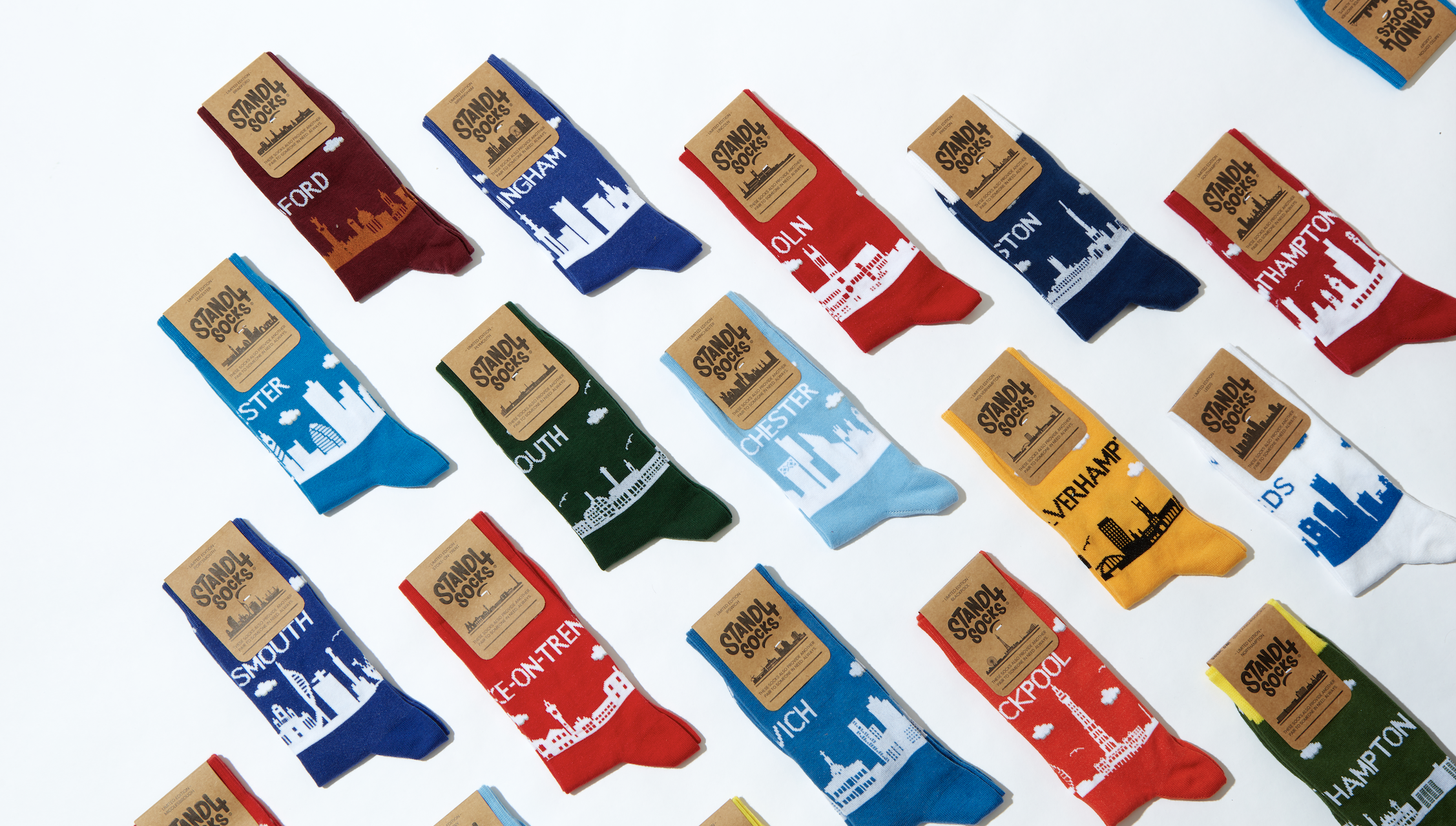
Many traditional giveaways prioritise visibility at the point of distribution. Products are chosen because they look impressive on an event stand or generate attention when first received. However, that visibility can quickly disappear if the item is not used afterwards.
The Best Promotional Products Become Habits
The most effective branded merchandise is often the merchandise people stop thinking about.
Not because it is forgettable, but because it has become part of their routine.
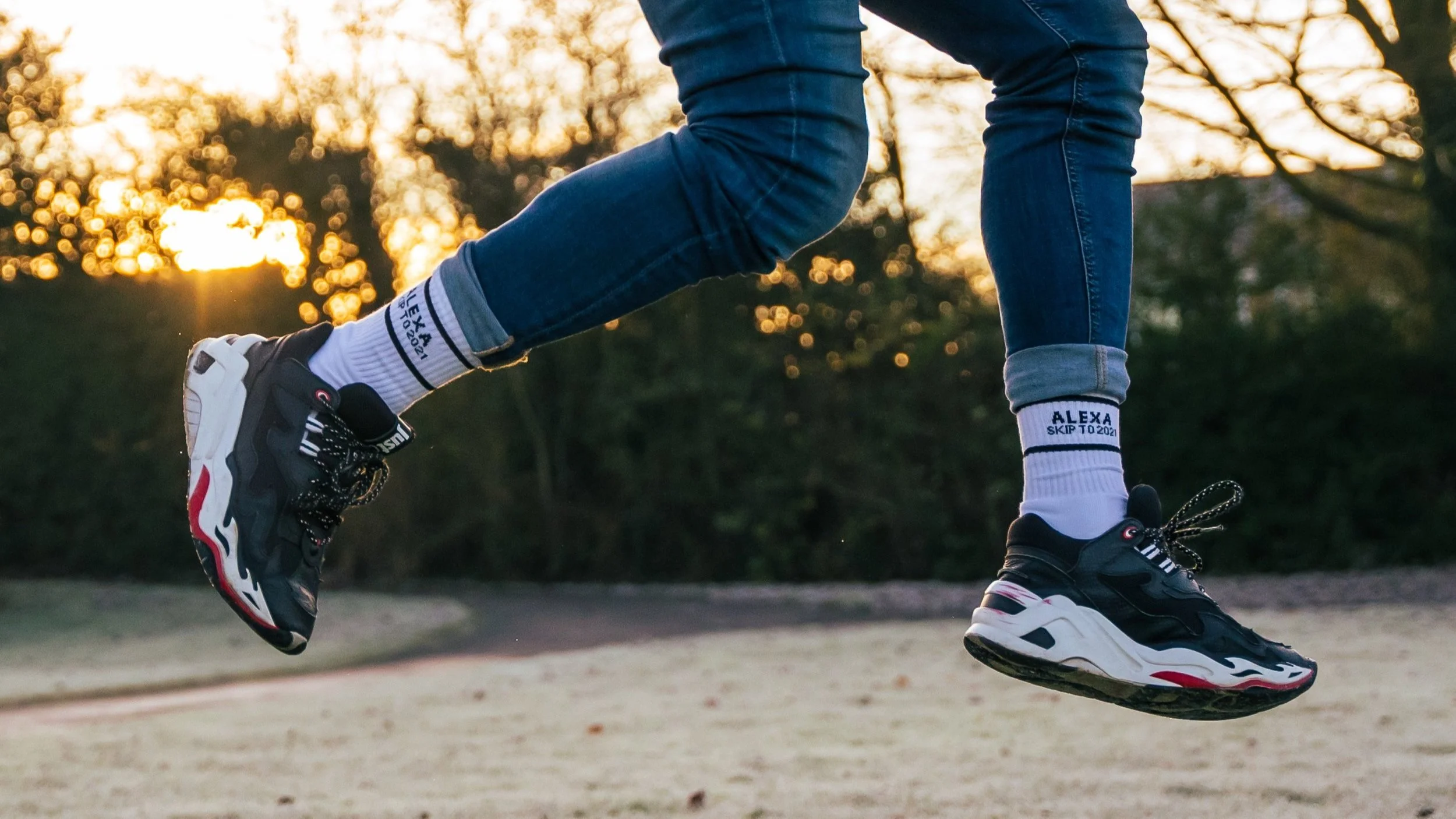
Products used regularly create a unique form of engagement because they move beyond novelty and into habit. Recipients are no longer interacting with the product because it is new. They are interacting with it because it serves a purpose.
This distinction matters.
Repeated Use Strengthens Brand Familiarity
Brand familiarity is one of the most important factors influencing future purchasing decisions.
People are naturally more comfortable engaging with brands they recognise. Repeated exposure helps build that recognition, making a business feel more familiar, credible, and trustworthy over time.
Promotional products that remain in active use contribute directly to this process.
Every interaction reinforces awareness of the organisation behind the product. Unlike traditional advertising, which often competes for attention, useful merchandise earns engagement by delivering value first.
Final Thoughts
The most successful promotional products are rarely the ones that generate the biggest initial reaction. They are the products that remain useful long after the first interaction.
As businesses place greater emphasis on engagement, sustainability, and measurable outcomes, practical merchandise is becoming an increasingly important part of the marketing mix. Products that integrate naturally into everyday life create repeated opportunities for brand exposure while delivering genuine value to recipients.
