
The Role of Physical Gifts in a Digital Workplace
As workplaces become increasingly digital, the way businesses build relationships with employees, clients, and partners is also changing. Remote work, virtual meetings, automated workflows, and cloud-based tools have made organisations more efficient than ever, but they have also reduced the number of physical touchpoints people have with the brands they work for or buy from. In this environment, physical gifts have taken on a new and more meaningful role.
What was once seen as a simple gesture or occasional add-on has become a deliberate tool for creating connection in otherwise digital-first environments. A well-chosen physical gift cuts through screens, inboxes, and notifications in a way that digital communication often cannot. It introduces something tangible into a space that is otherwise intangible, helping to reinforce relationships in a more human way.
Why Physical Touchpoints Still Matter in a Digital World
Even in highly digital environments, human behaviour has not fundamentally changed. People still respond strongly to physical objects, especially when those objects feel thoughtful, useful, or personal. While digital messages can be efficient, they are often fleeting. A physical gift, by contrast, has staying power.
The continued importance of physical touchpoints lies in their ability to create memory and association. A well-designed product used regularly becomes part of someone’s routine, which means the brand behind it is also being repeatedly reinforced in a subtle but consistent way.
This is particularly relevant in professional environments where attention is fragmented across multiple platforms. Emails are skimmed, messages are lost in chat threads, and campaigns compete for limited attention. A physical item bypasses that noise entirely and exists independently within someone’s space.
Physical Gifts as a Tool for Employee Connection
In modern workplaces, especially those that are hybrid or remote, maintaining a strong sense of connection can be challenging. Employees may feel disconnected from company culture or less engaged with their organisation over time, not due to lack of communication, but due to lack of shared physical experiences.
Physical gifts help bridge this gap by creating moments of tangible connection. An onboarding pack, a seasonal gift, or a recognition item provides employees with something that represents the organisation in a more meaningful way than a digital message alone.
These gifts also play an important role in shaping perception. When employees receive something practical and well-considered, it reinforces the idea that the organisation values them beyond their output. This contributes to a stronger sense of belonging and appreciation, which in turn supports engagement and retention.

The Shift Towards Useful and Wearable Products
As expectations around corporate gifting evolve, there is a clear shift towards practicality. Businesses are increasingly moving away from disposable promotional items and towards products that have genuine everyday use.
Wearable merchandise is a strong example of this shift. Items such as clothing and accessories naturally extend brand visibility beyond a single moment of interaction. When someone chooses to wear a product repeatedly, it becomes part of their routine, creating ongoing exposure without feeling forced or promotional.
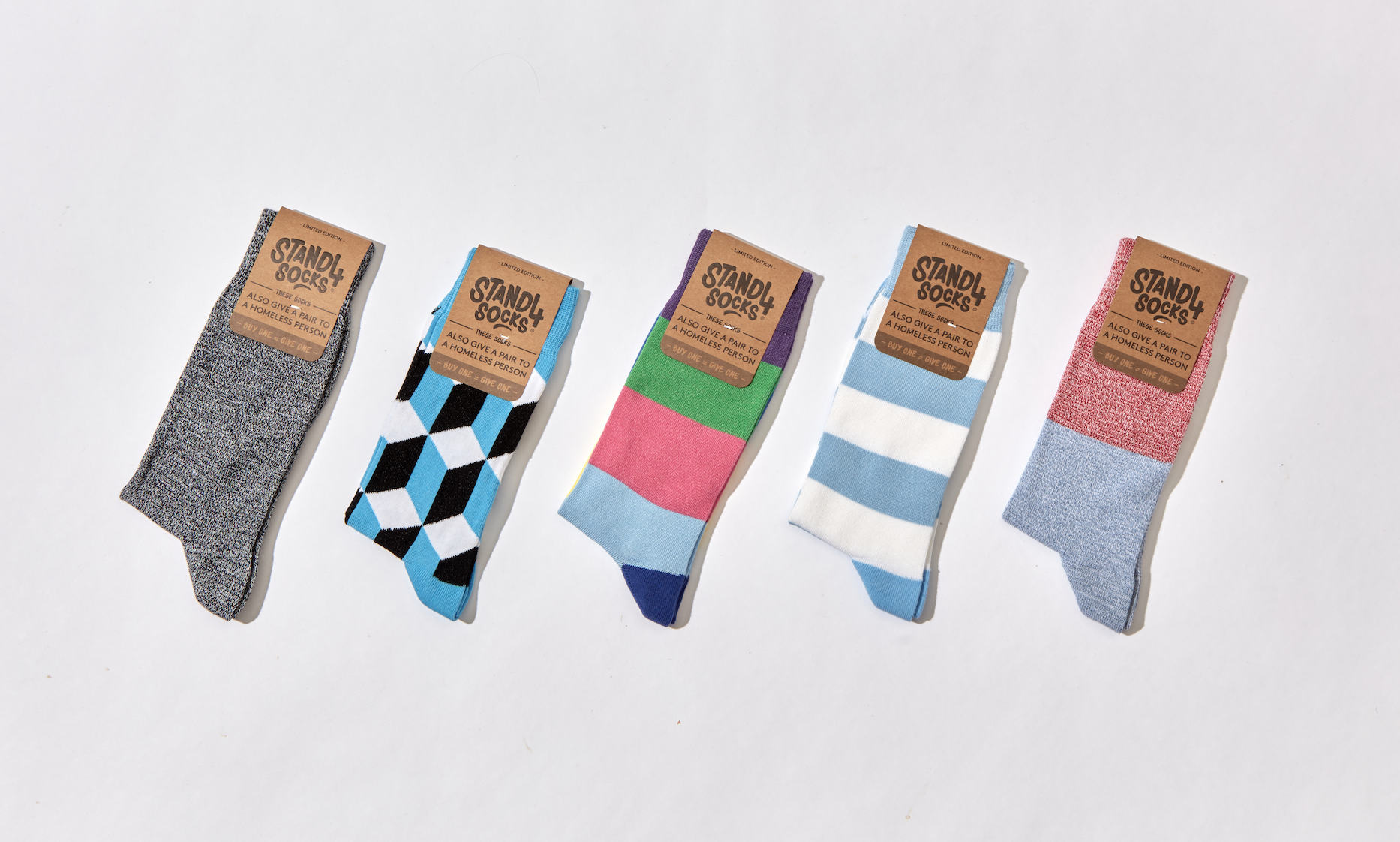
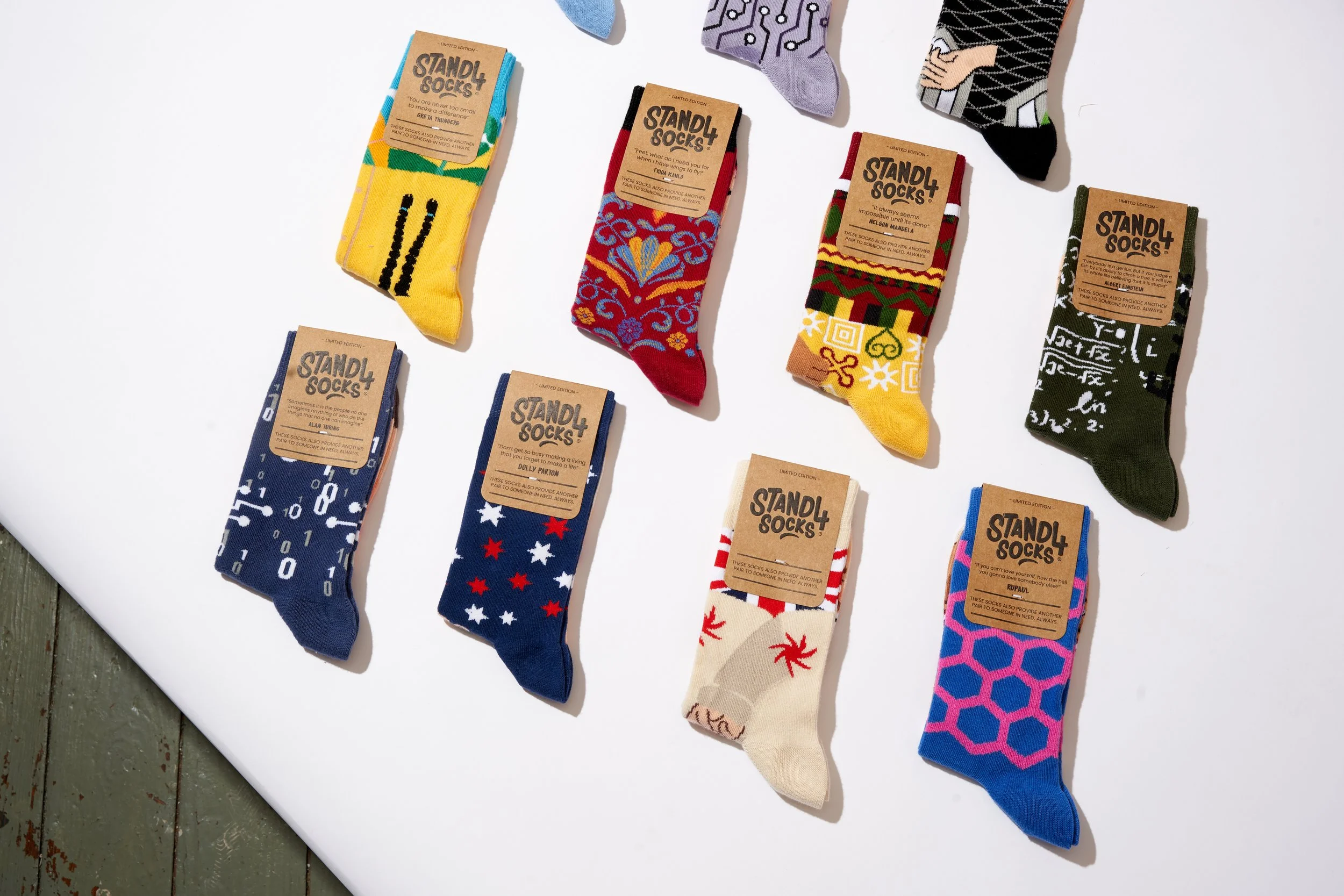
Custom socks, in particular, have become a popular choice for this reason. They combine comfort, practicality, and subtle brand presence in a way that feels natural rather than intrusive. Unlike larger apparel items, they also avoid many of the logistical challenges associated with sizing, making them a flexible option for large-scale gifting.
Final Thoughts
As organisations continue to evolve their approach to employee engagement, client relationships, and brand visibility, physical gifts are becoming less of an optional extra and more of a strategic tool.
Stand4Socks helps businesses create custom wearable gifts that integrate naturally into everyday life, supporting employee onboarding, workplace culture, client engagement, and event marketing while also contributing to social impact initiatives through every order.
